Essentials of Chinese Literature
About this book
Essentials of Chinese Literature offers the first complete English rendering of Zheng Zhenduo's much-loved survey, assembled from the Chinese chapters of his 1920s Wénxuě Dàgāng (Outline of Literature) and long familiar to Chinese readers as a short, approachable introduction to their own literary past.
Zheng (1898–1958) made his living as an editor, essayist and book-collector, and it shows on every page. In thirteen lectures he carries the reader from the Shījīng (Book of Songs) and Chǔcí (Songs of the South) through the pre-Qin historians and philosophers, the Han rhapsodists, the Wei-Jin poets, the medieval schools, Yuan and Ming drama, and the slow rise of vernacular fiction — the storytellers' huaben, the northern zaju, Shuǐhǔ Zhuàn (Water Margin), Xīyóu Jì (Journey to the West), Jīnpíngméi (The Plum in the Golden Vase) — before drawing up to the fiction and criticism of the eighteenth, nineteenth and early twentieth centuries. What sets the book apart from drier literary histories is the room Zheng makes for what the orthodox canon had dismissed: folk songs, comic plays, short tales, the novel itself. He writes about Qu Yuan, Tao Yuanming, Li Bai and Du Fu without pedantry, and about the Yuan playwrights and the Ming hack-novelists with undisguised relish.
The translation is built to be used, not merely admired. Pinyin is given throughout with full tone marks; courtesy names, art names and reign dates accompany the authors; suspected forgeries, lost recensions and competing editions are flagged in the text rather than smoothed over; and a full glossary, alphabetized by pinyin and keyed to the Chinese characters, indexes every work, author, tune-pattern and anecdote cited. Zheng's own comparative frame — measuring the authority of the Shījīng against Homer and the Bible for his readers — has been preserved rather than anglicized away. The result is a volume for the general reader who wants a genuine introduction, and for the student who will still have it on the desk ten years on.
Publication information: October, 2026
More from our catalogue
All publications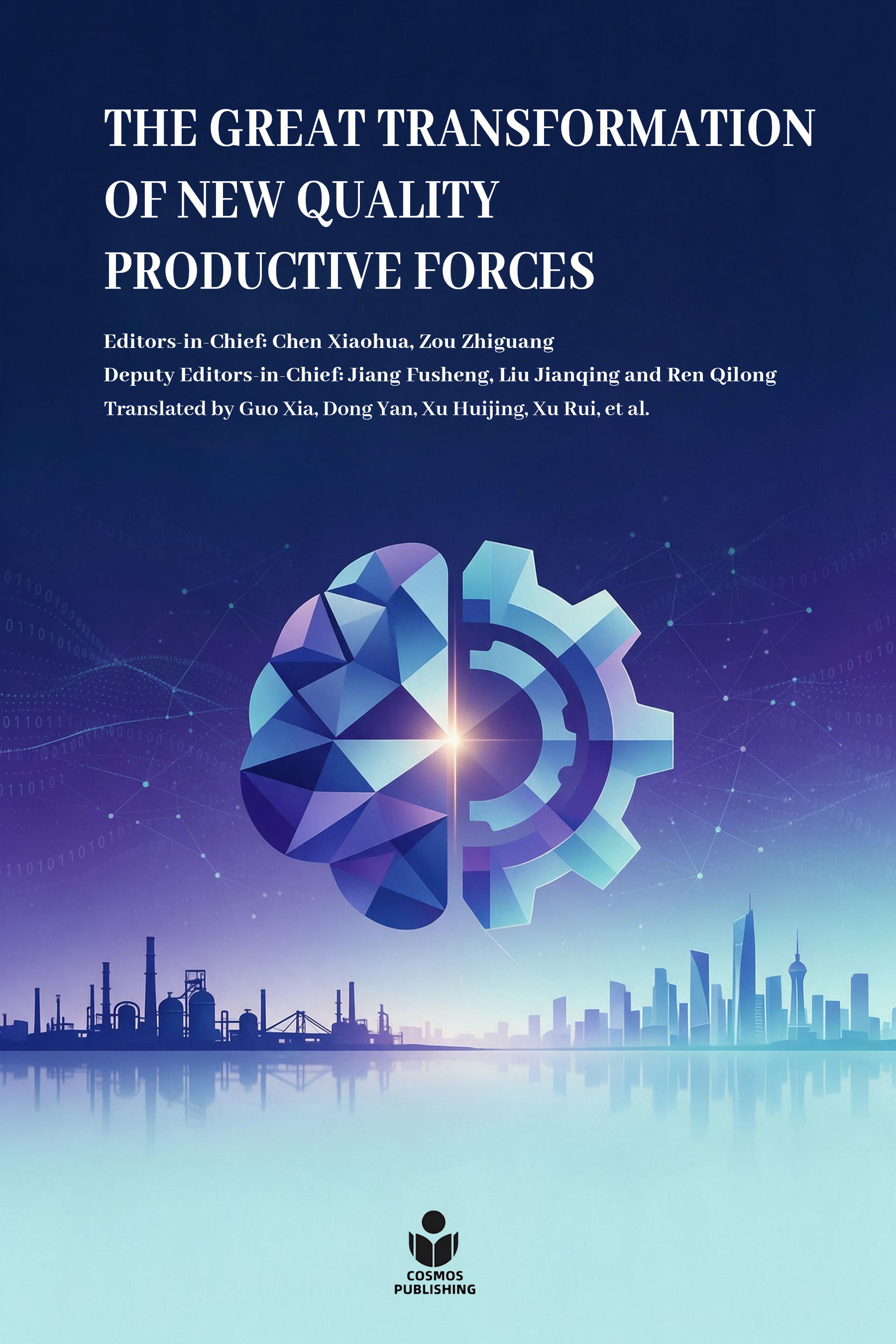
The Great Transformation of New Quality Productive Forces
The Great Transformation of New Quality Productive Forces is a professionally compiled work that systematically interprets the concept, theory and practice of new quality productive forces against the global technological revolution and China’s high-quality development backdrop. Originating from the strategic deployment put forward in 2023…
Book overview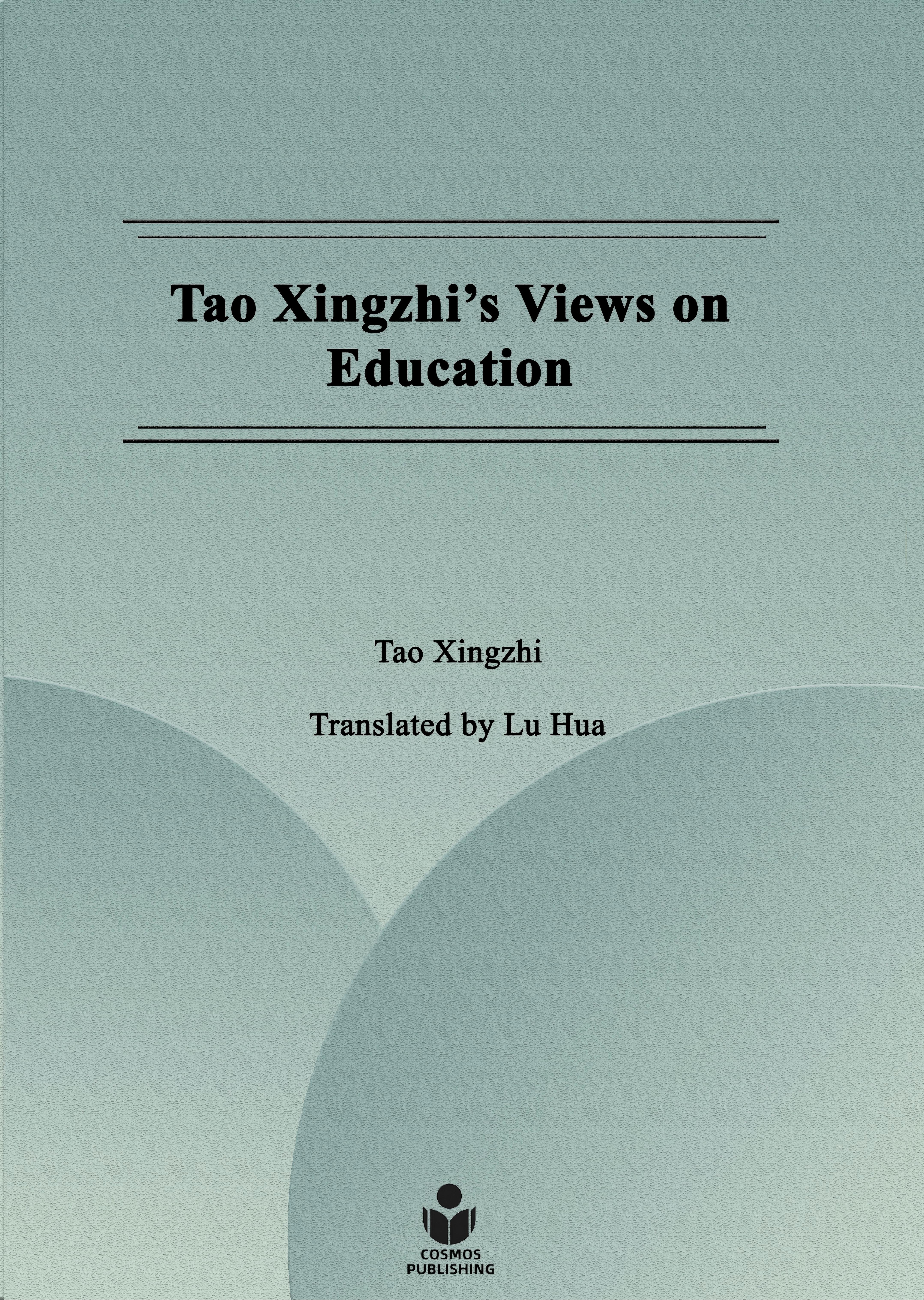
Tao Xingzhi's Views on Education
This book is a comprehensive collection of Tao Xingzhi's reflections, speeches, and essays on the philosophy and practice of education in modern China. Tao Xingzhi (1891–1946) was a pioneering educator and reformer in China. This book presents his lifelong dedication to reshaping education as a…
Book overview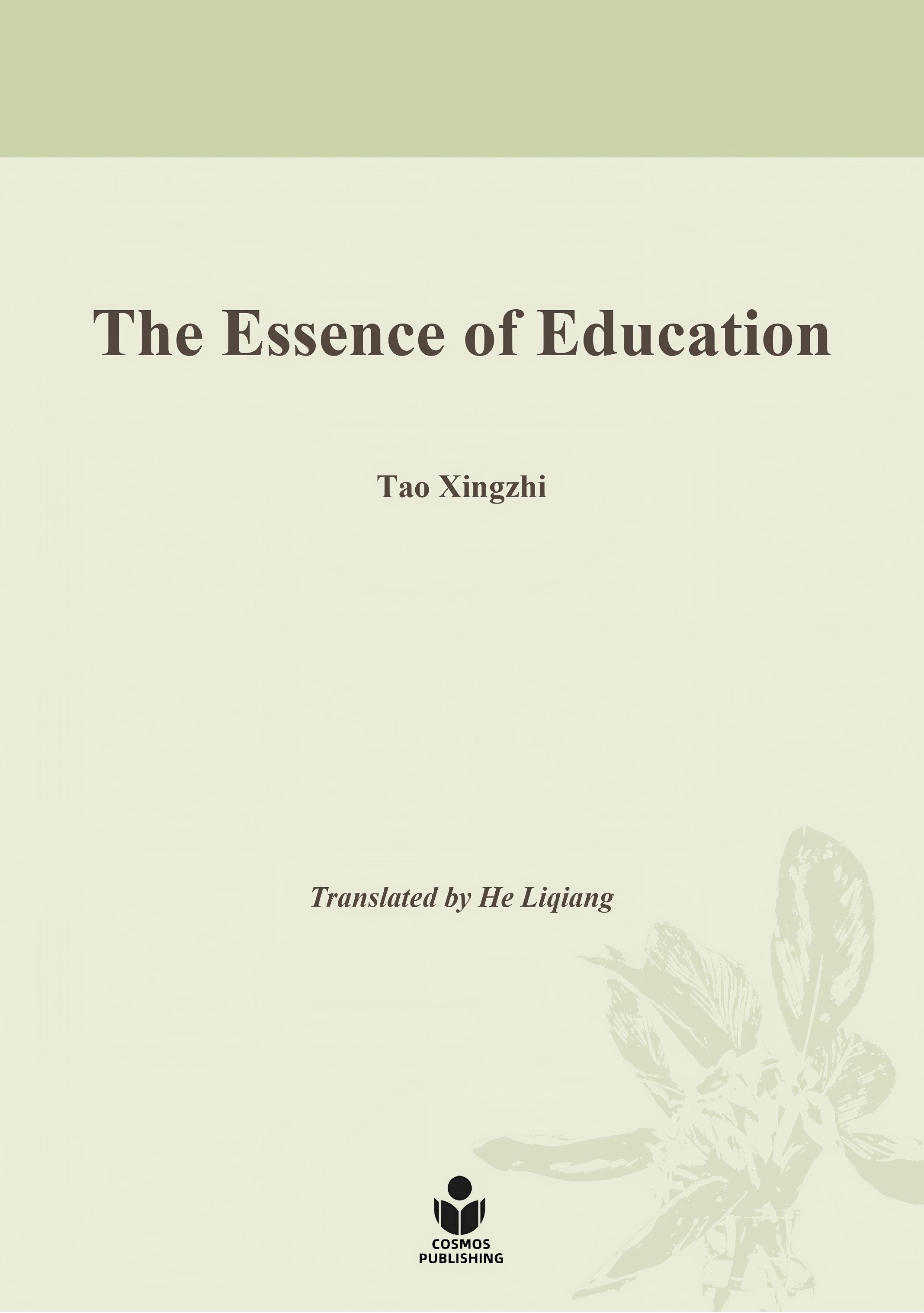
The Essence of Education
This book selects Tao Xingzhi's famous expositions on education, including the ideal of education, the construction of normal education, the reform of rural education, the art-friend system of normal education, life as education, society as school, teaching-learning-doing integration, democratic education, scientific education, creative education, children's…
Book overview