Urban Waste Management Framework for Social Workers in Zhanjiang City, China
About this book
How can communities become active participants rather than passive recipients in urban environmental governance? Why do waste-sorting policies and technical infrastructure so often fail to generate sustained changes in everyday community practices? This book addresses these questions through an empirically grounded examination of environmental social work in urban waste management in Zhanjiang, China.
Situated within China’s rapidly evolving waste-sorting and Zero-Waste City agenda, the book moves beyond technical solutions and policy compliance to examine the social processes through which community participation is built and sustained. Drawing on a three-year community environmental governance initiative in Shawan Community, it explores how environmental social workers connect community needs, environmental education, resident participation, institutional resources, and inter-organisational collaboration. Qualitative evidence from interviews with environmental social workers, field observations, and project documents identifies six conditions shaping community engagement and develops a distinctive five-role typology: Educator, Translator, Community Developer, Adviser and Lobbyist, and Co-producer.
At the centre of the book is an integrated practice framework comprising Community Needs and Assets Assessment, Participation-Based Community Education, Green Circular Community, Community Development, and Cooperation with Stakeholders and Other Disciplines. The framework positions environmental social work not as a peripheral support to environmental policy, but as socially embedded professional practice that connects people, institutions, knowledge, and resources.
The book advances environmental social work theory by extending Experiential Learning Theory to the community system level, reconceptualising social capital as an outcome of professional practice, and challenging assumptions that effective environmental advocacy necessarily requires institutional distance from the state. By bringing Chinese community practice into international debates, it offers a distinctive perspective on participatory, equitable, and sustainable urban governance. The book will interest scholars, students, practitioners, and policymakers in social work, community development, environmental governance, and sustainability.
Publication information: September, 2026
More from our catalogue
All publications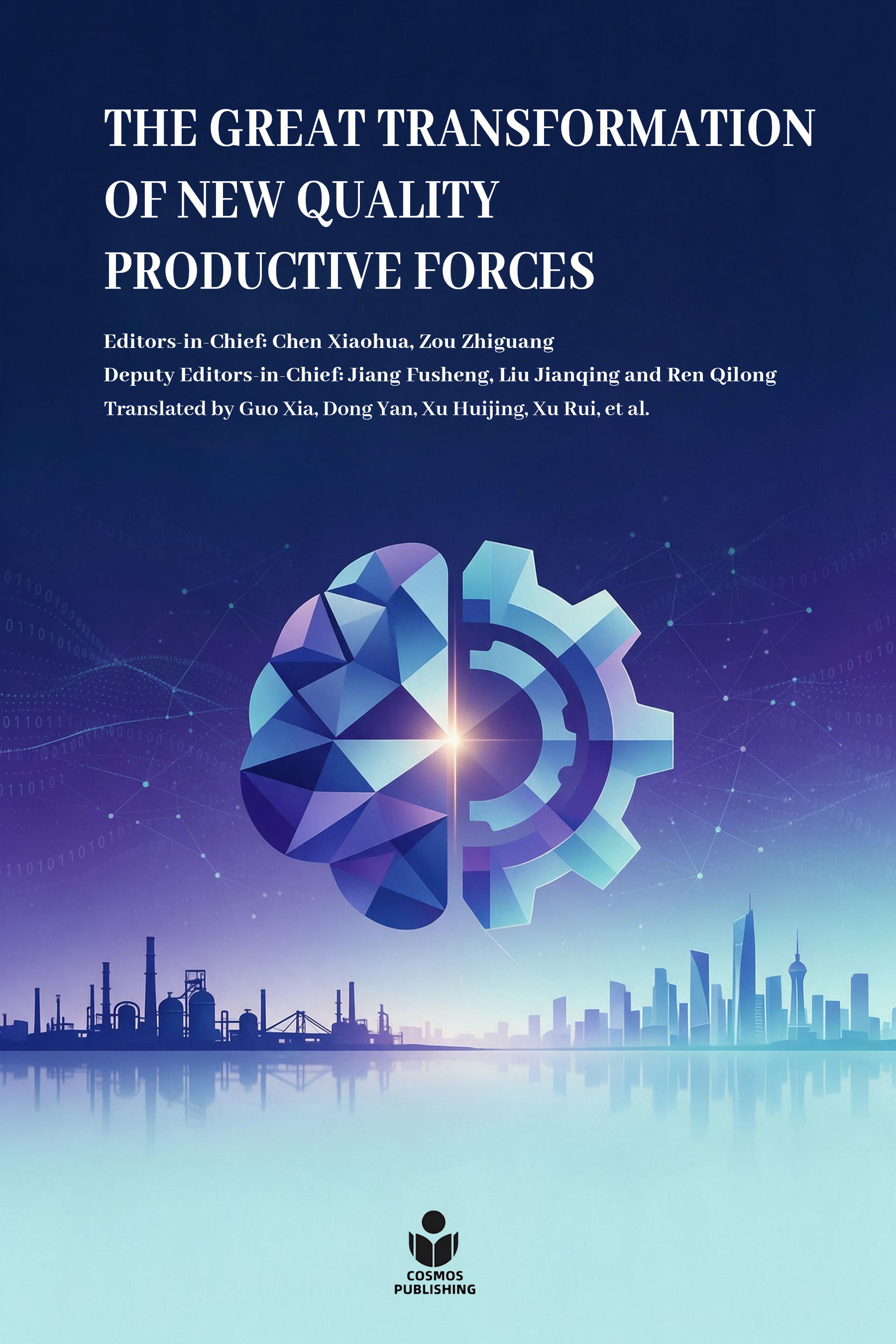
The Great Transformation of New Quality Productive Forces
The Great Transformation of New Quality Productive Forces is a professionally compiled work that systematically interprets the concept, theory and practice of new quality productive forces against the global technological revolution and China’s high-quality development backdrop. Originating from the strategic deployment put forward in 2023…
Book overview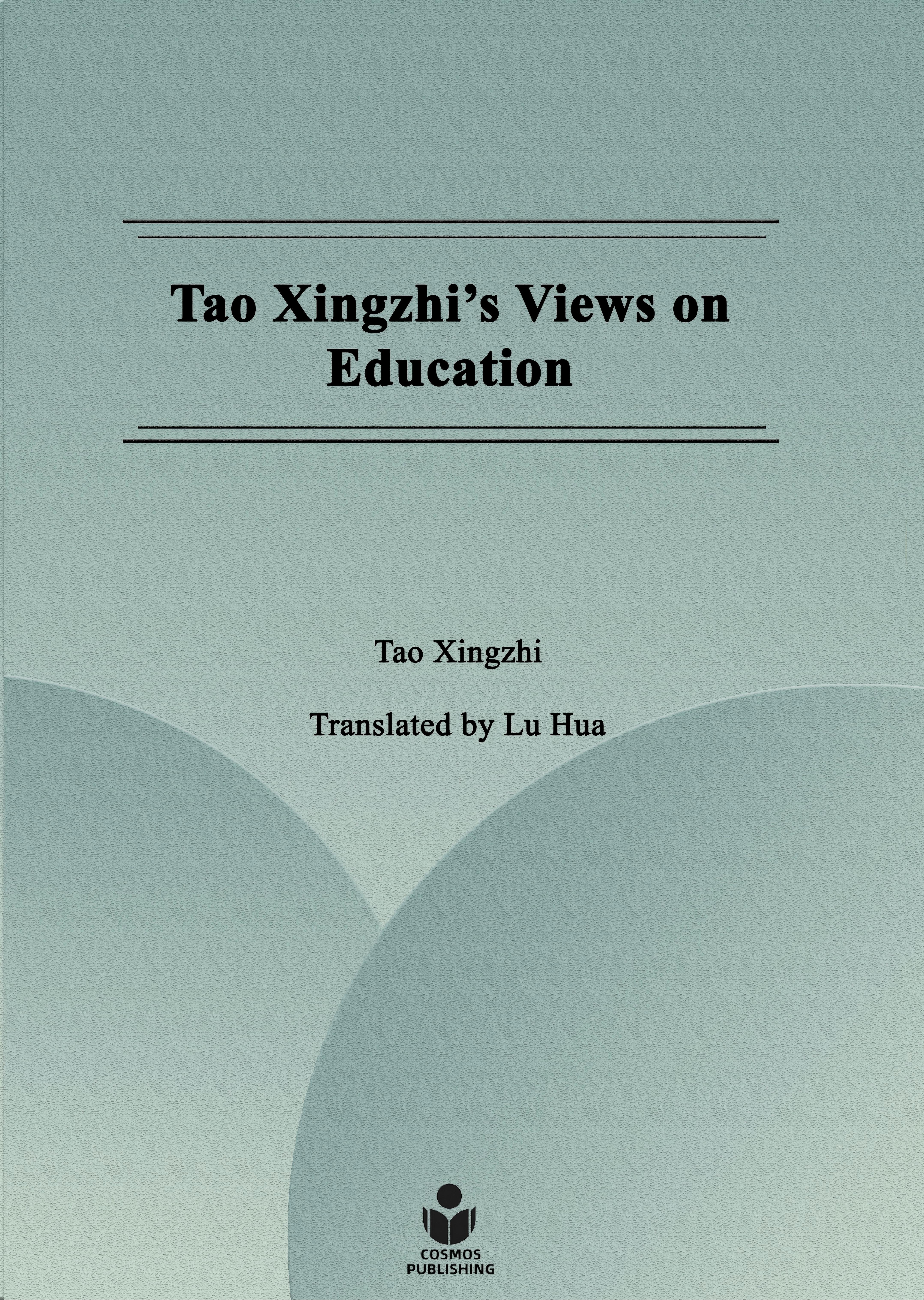
Tao Xingzhi's Views on Education
This book is a comprehensive collection of Tao Xingzhi's reflections, speeches, and essays on the philosophy and practice of education in modern China. Tao Xingzhi (1891–1946) was a pioneering educator and reformer in China. This book presents his lifelong dedication to reshaping education as a…
Book overview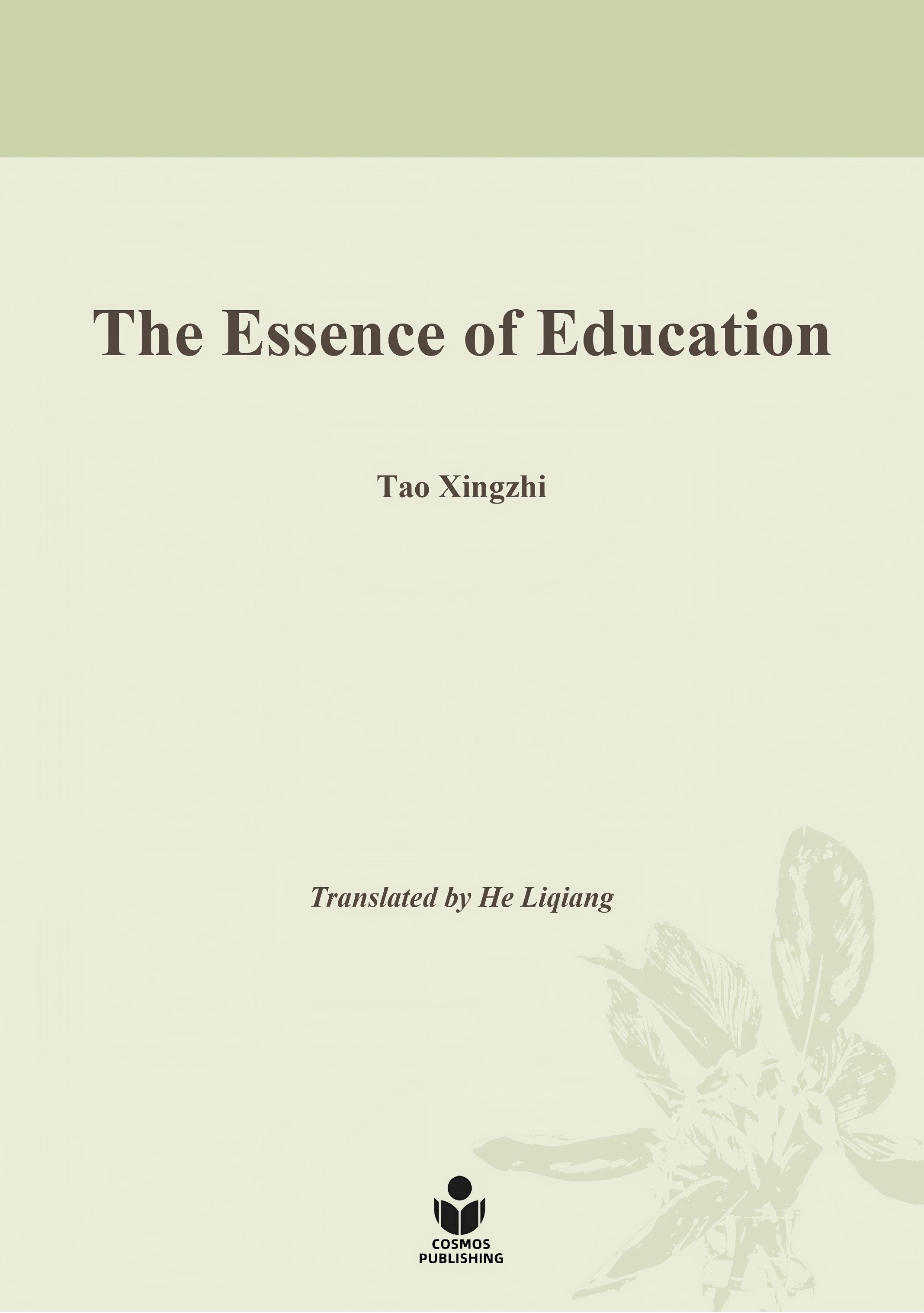
The Essence of Education
This book selects Tao Xingzhi's famous expositions on education, including the ideal of education, the construction of normal education, the reform of rural education, the art-friend system of normal education, life as education, society as school, teaching-learning-doing integration, democratic education, scientific education, creative education, children's…
Book overview