Liang Qichao’s Discourse on Chinese Legal History
About this book
This volume assembles three landmark studies on Chinese legal history by Liang Qichao, the founding scholar of modern Chinese legal historiography, constructing an integrated analytical framework of legal philosophy, codified law evolution, and political institutional development.
The first part investigates the origins of Chinese legal thought through etymological analysis of core concepts including fa (normative law), xing (penal model), and lü (codified statute). It systematically compares legal doctrines of pre-Qin Confucianism, Mohism, Daoism, and Legalism, tracing the intellectual transition from ritual governance and rule by men to the emergence and ascendancy of Legalist statecraft amid the social transformations of the Warring States era.
The second part reconstructs the full trajectory of Chinese written law compilation from Li Kui’s Canon of Laws in the 4th century BCE through successive dynastic codes up to the Ming and Qing dynasties. It examines the formal sources, promulgation systems, and inherent structural defects of traditional codified law, highlighting critical limitations such as the systematic absence of private law, excessive legal rigidity, and incoherent legislative structure.
The third part analyzes the evolutionary logic of Chinese autocratic politics, documenting the gradual shift from feudal decentralization to centralized monarchy and from aristocratic rule to concentrated imperial power, with a detailed account of the demise of the aristocratic class and the erosion of ministerial authority.
Grounded in a comparative methodology bridging Chinese classical scholarship and Western jurisprudence, this work established the foundational research paradigm for modern Chinese legal history and remains an indispensable reference for understanding the historical legacies of Chinese legal civilization.
Publication information: September, 2026
More from our catalogue
All publications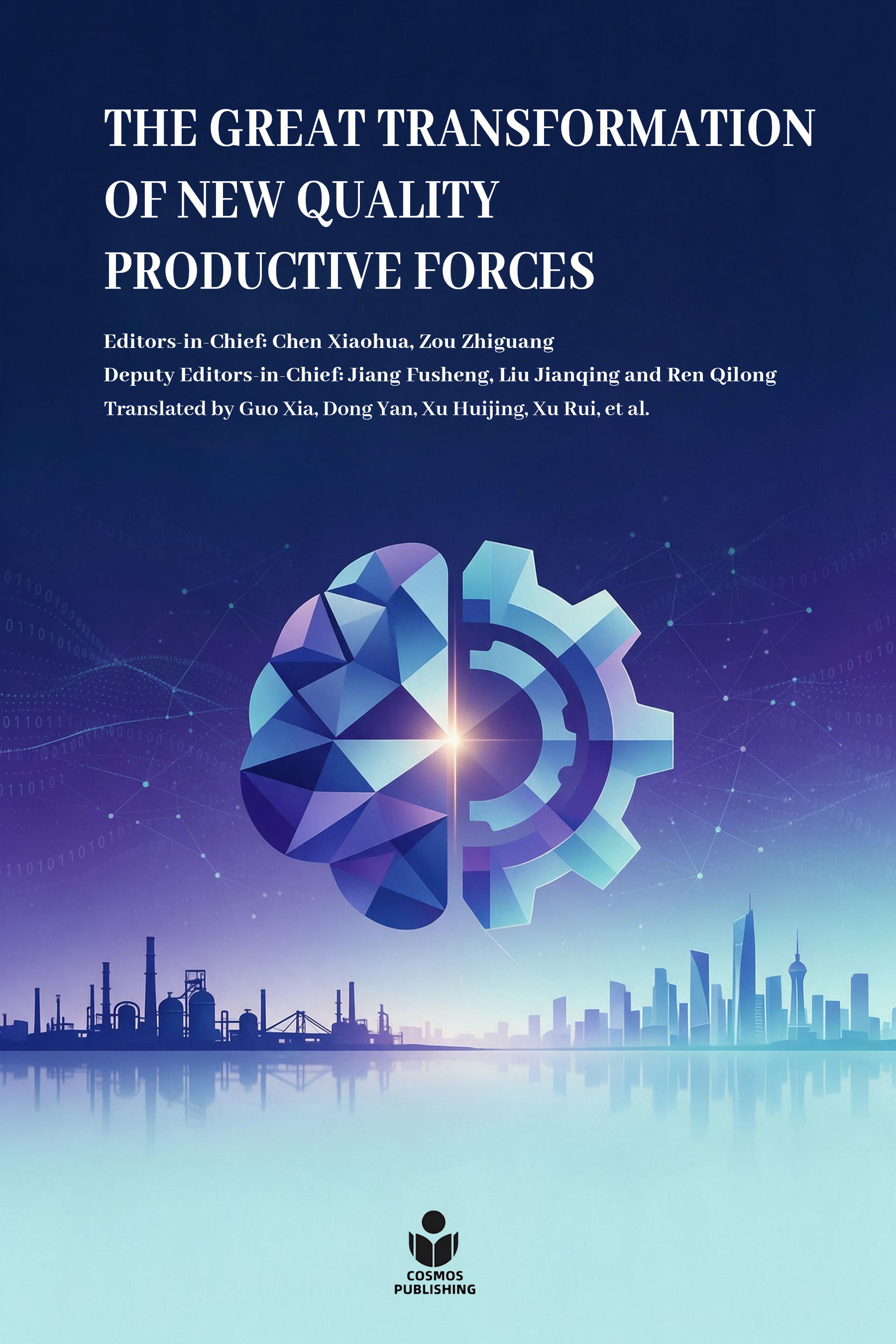
The Great Transformation of New Quality Productive Forces
The Great Transformation of New Quality Productive Forces is a professionally compiled work that systematically interprets the concept, theory and practice of new quality productive forces against the global technological revolution and China’s high-quality development backdrop. Originating from the strategic deployment put forward in 2023…
Book overview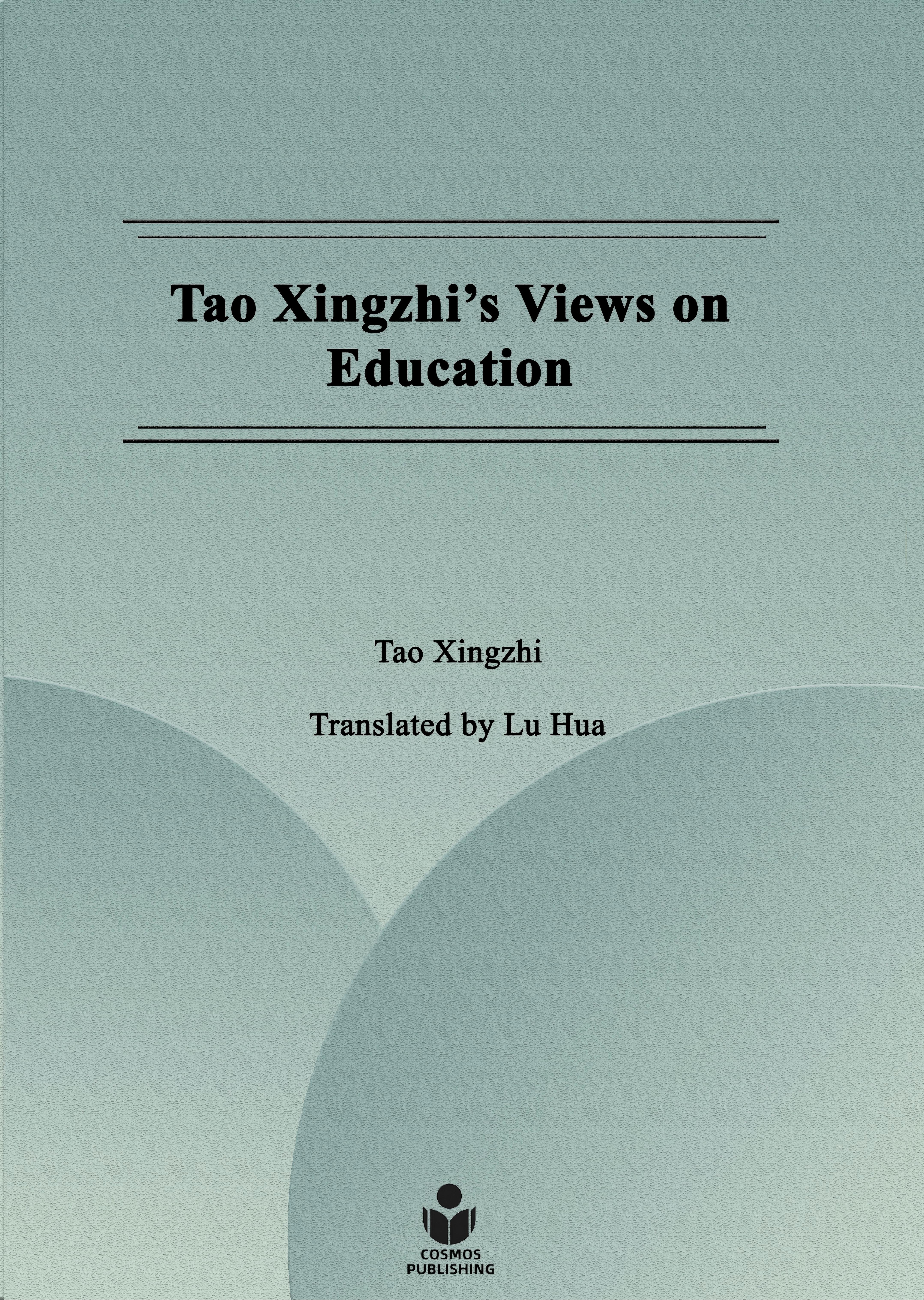
Tao Xingzhi's Views on Education
This book is a comprehensive collection of Tao Xingzhi's reflections, speeches, and essays on the philosophy and practice of education in modern China. Tao Xingzhi (1891–1946) was a pioneering educator and reformer in China. This book presents his lifelong dedication to reshaping education as a…
Book overview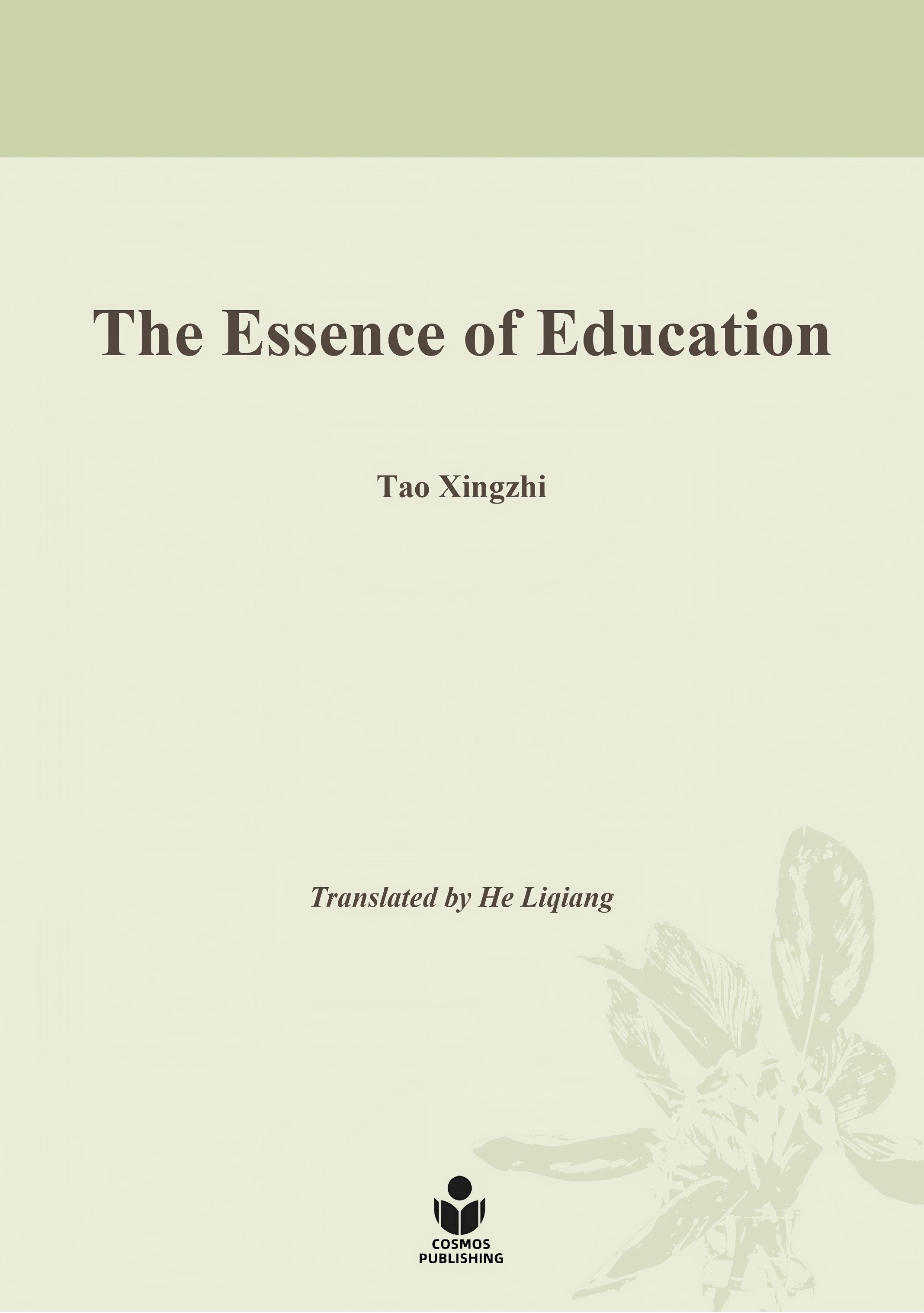
The Essence of Education
This book selects Tao Xingzhi's famous expositions on education, including the ideal of education, the construction of normal education, the reform of rural education, the art-friend system of normal education, life as education, society as school, teaching-learning-doing integration, democratic education, scientific education, creative education, children's…
Book overview