History of Modern Chinese Educational Thought
About this book
This historical study traces the intellectual trajectory of Chinese education from the founding of the Imperial Tongwen College in 1862 to the early 1920s, a period marked by dynastic collapse, foreign imperialism, and faltering attempts at self-strengthening. The work examines over twenty successive educational ideologies, ranging from dialect training and military preparedness to Western learning, vocationalism, aesthetic education, democratic citizenship, and scientific pedagogy. Rather than treating these as abstract doctrines, the study insists that every educational idea emerged as a pragmatic response to concrete national crises, chiefly Western aggression, the disintegration of the examination system, and the recurring failure of transplanted foreign models.
Methodologically, the study breaks new ground by anchoring intellectual change in political regimes, economic constraints, and global currents. It shows that even the most radical reforms were continually undercut by the persistent prestige of examination culture and nostalgic revivalism, producing a chronic oscillation between mimetic borrowing and inward retrenchment. The volume culminates in a balanced assessment of sixty years of experimentation and a forward-looking agenda for reconstruction, one that acknowledges education's deep embeddedness in broader social transformation.
Written with analytical rigor and empirical richness, this study transcends chronicle to offer a nuanced framework for understanding how non-Western societies navigate the tension between indigenous traditions and external pressures. Its critical insights into institutional transplantation and cultural adaptation remain strikingly relevant to contemporary debates on decolonizing curricula, rethinking development, and reforming education in times of national crisis. This book is indispensable for historians of modern China, comparative education scholars, and policy analysts alike.
Publication information: September, 2026
More from our catalogue
All publications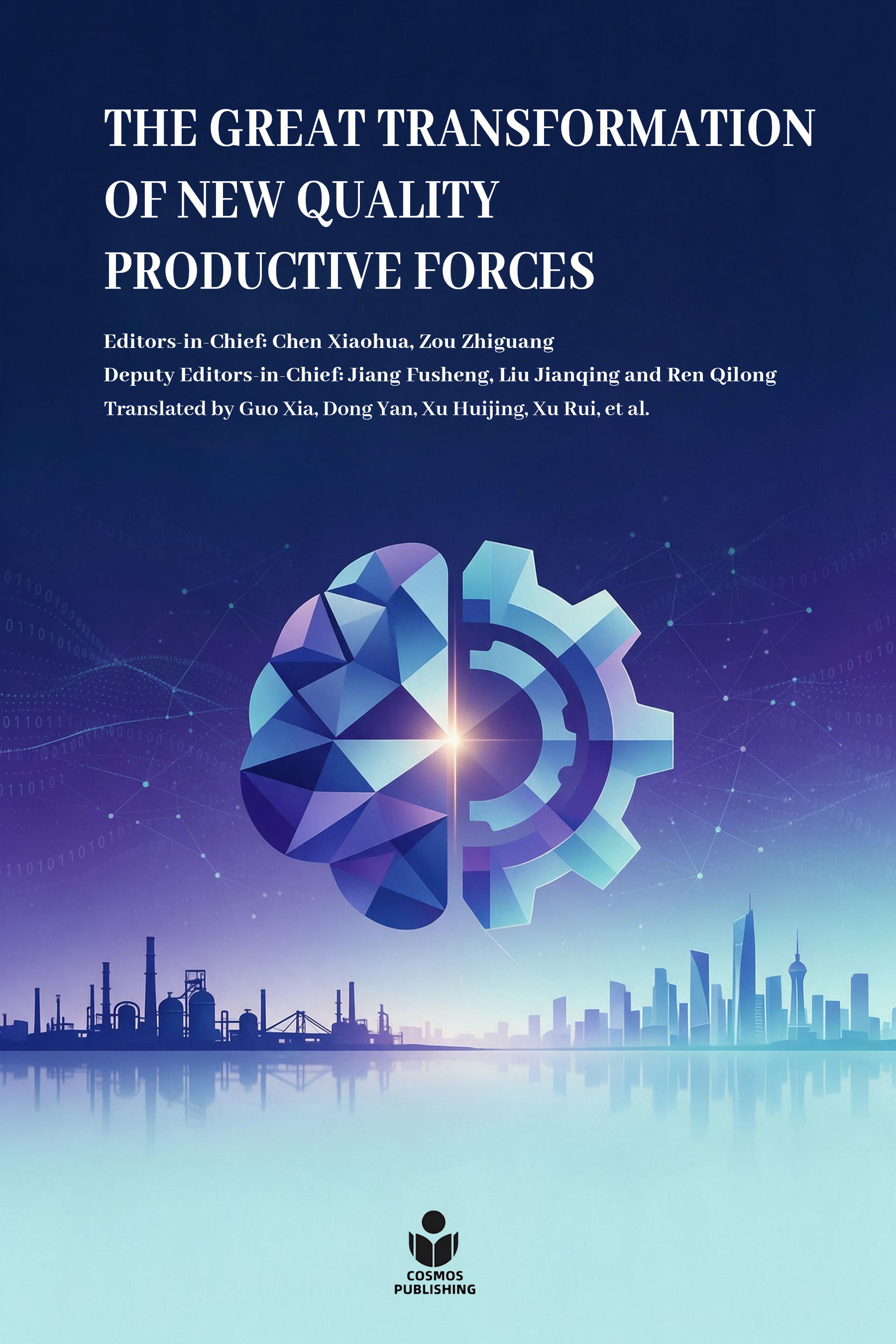
The Great Transformation of New Quality Productive Forces
The Great Transformation of New Quality Productive Forces is a professionally compiled work that systematically interprets the concept, theory and practice of new quality productive forces against the global technological revolution and China’s high-quality development backdrop. Originating from the strategic deployment put forward in 2023…
Book overview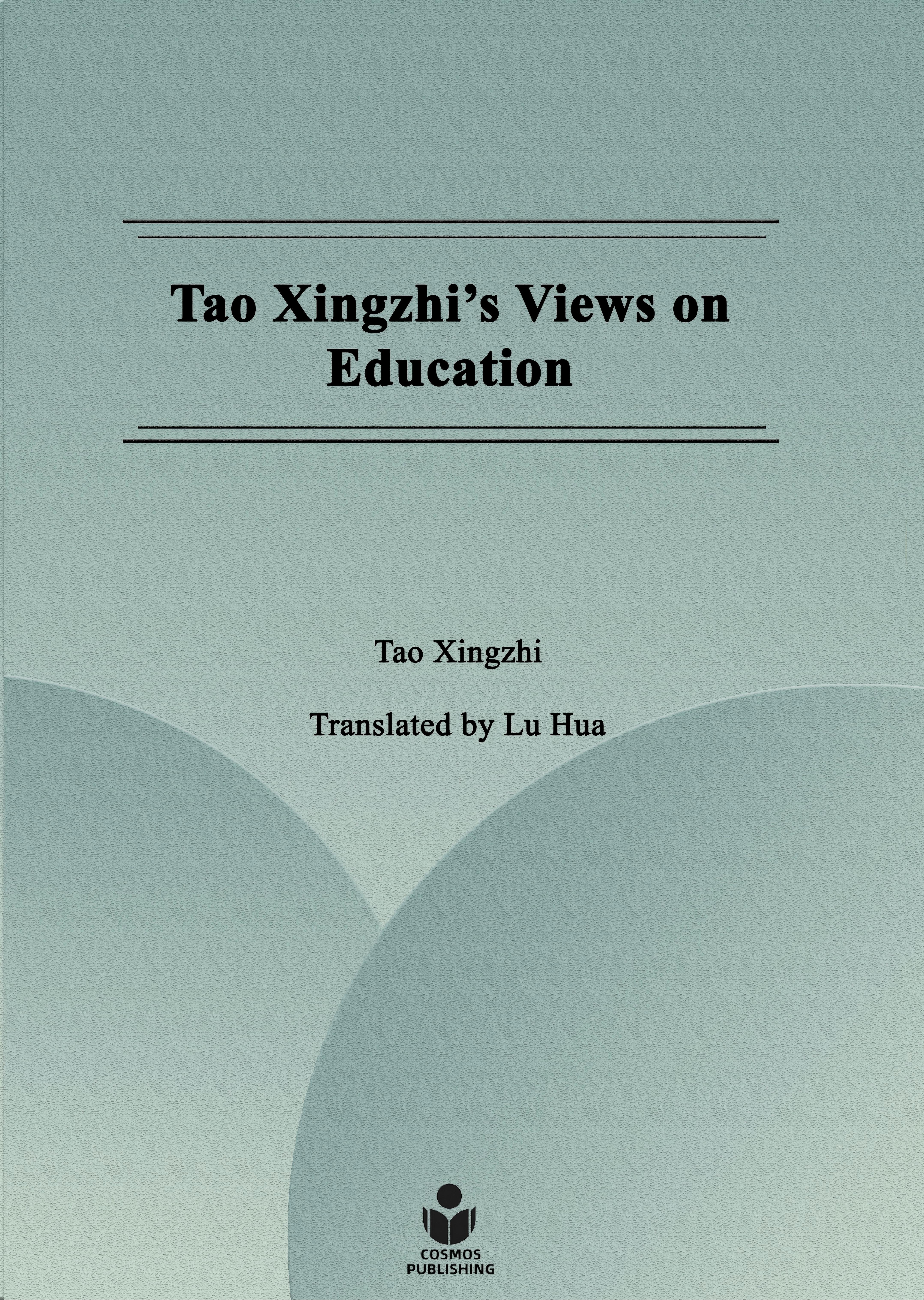
Tao Xingzhi's Views on Education
This book is a comprehensive collection of Tao Xingzhi's reflections, speeches, and essays on the philosophy and practice of education in modern China. Tao Xingzhi (1891–1946) was a pioneering educator and reformer in China. This book presents his lifelong dedication to reshaping education as a…
Book overview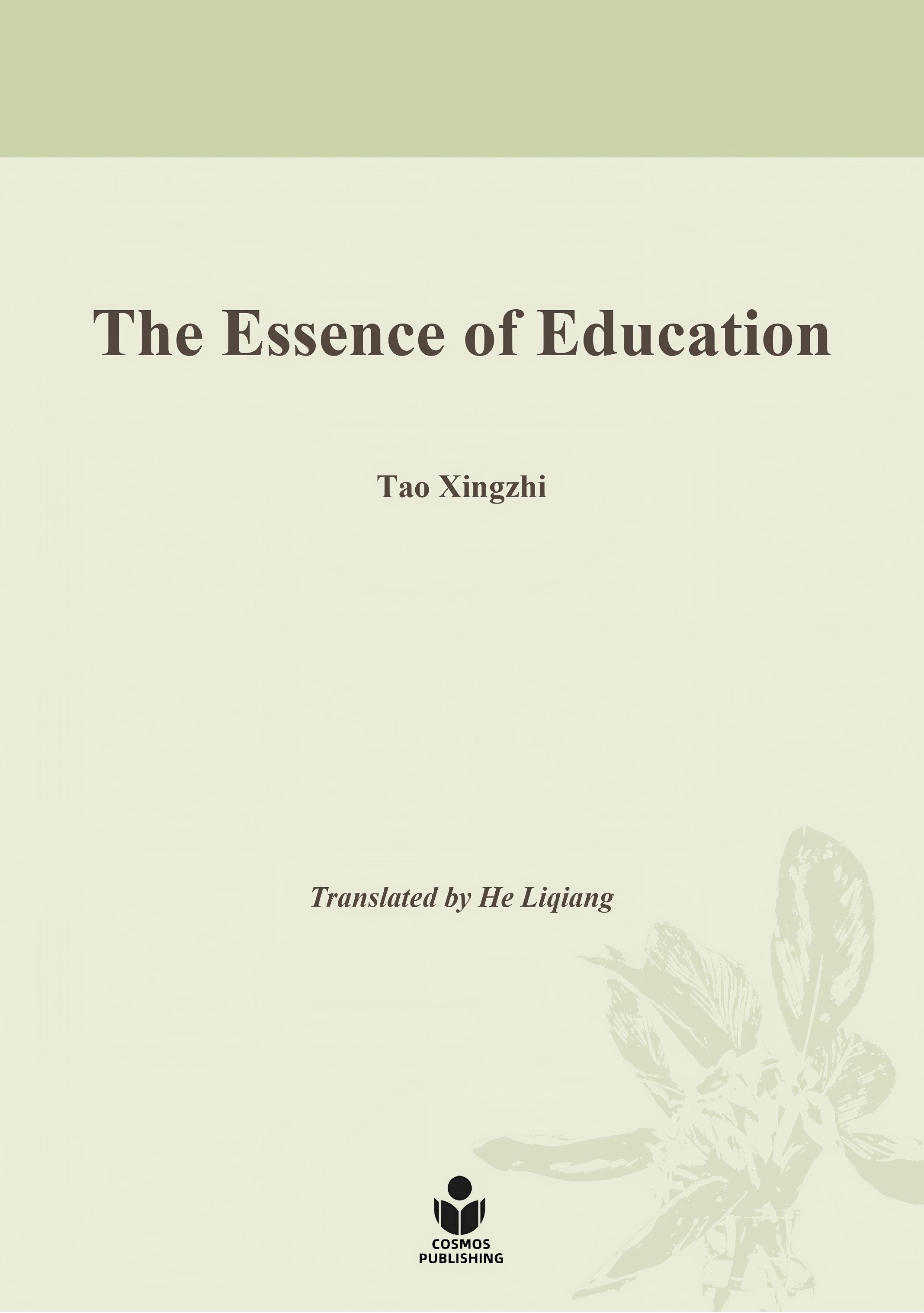
The Essence of Education
This book selects Tao Xingzhi's famous expositions on education, including the ideal of education, the construction of normal education, the reform of rural education, the art-friend system of normal education, life as education, society as school, teaching-learning-doing integration, democratic education, scientific education, creative education, children's…
Book overview