Early Confucianism: The Great Wisdom of Early China — A Study on the Interaction between Confucius' Thought and Pre-Qin Society
About this book
This book adopts an interdisciplinary perspective integrating social history and intellectual history to systematically demonstrate, for the first time, the dynamic bidirectional symbiosis between Confucian thought and pre-Qin society. It proposes an interaction model of “society nurturing thought – practice validating doctrine – canons reshaping civilization.”
Facing the social anarchy of “Collapsing Rites and Crumbling Music” in the Late Spring and Autumn Period, Confucius creatively transformed the ritual heritage of the Three Dynasties (Xia, Shang, and Zhou). His scholarly approach – “invoking China’s legendary sage-kings Yao and Shun as ancestors while taking King Wen and King Wu of the Zhou Dynasty as constitutional models” – was deeply rooted in this civilizational legacy. Through his administrative roles as Chief Magistrate of Zhongdu and Grand Minister of Justice in the state of Lu, Confucius empirically verified the superior governance efficacy of the “rule by virtue and rites” model over punitive legal systems, which led to early societal recognition as “all vassal states governors emulated his model.” However, the late Spring and Autumn aristocracy resisted the restoration of order, preventing Confucius’ doctrine from gaining traction – a constraint rooted in that historical juncture, not in any disconnect between his philosophy and societal needs.
More from our catalogue
All publications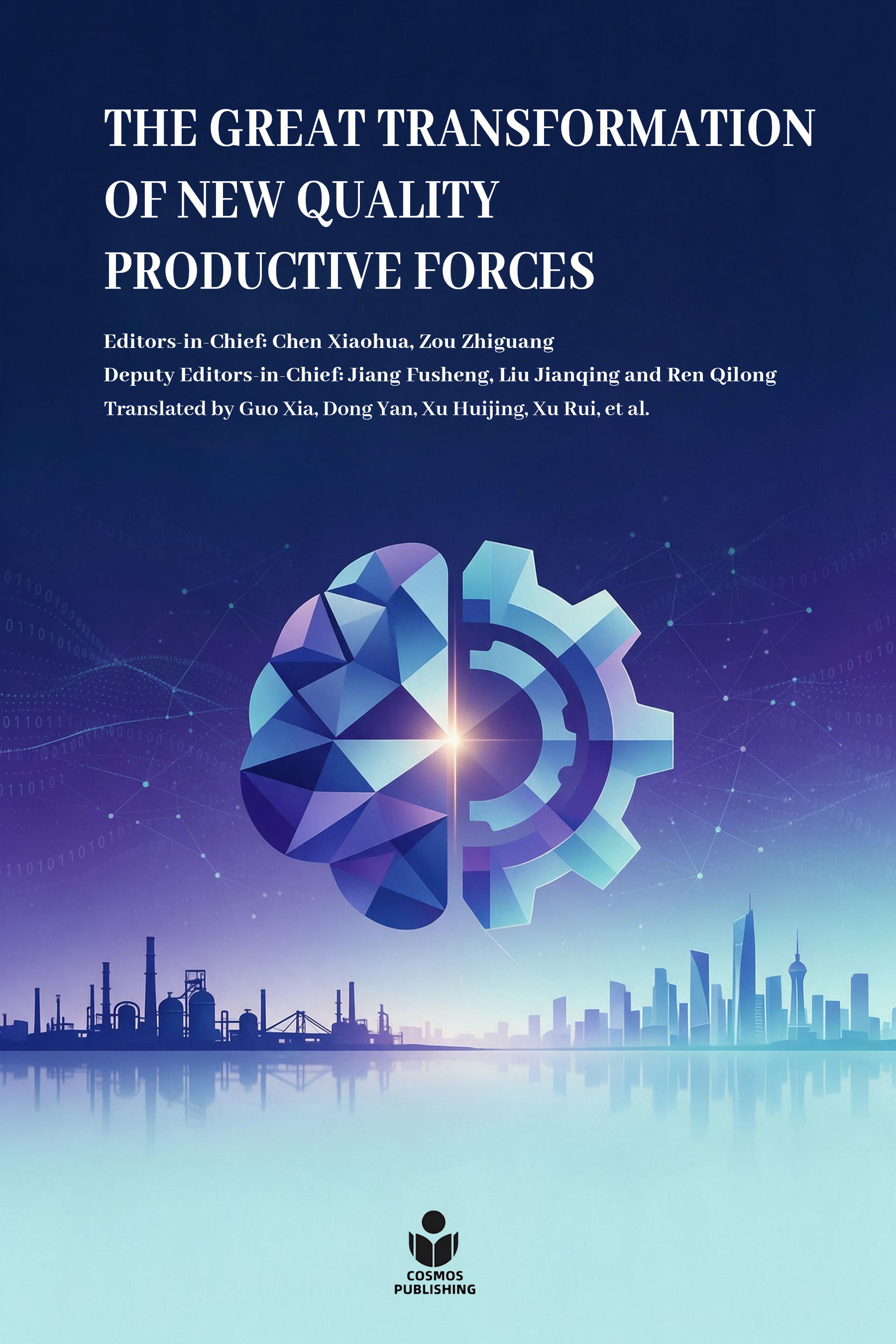
The Great Transformation of New Quality Productive Forces
The Great Transformation of New Quality Productive Forces is a professionally compiled work that systematically interprets the concept, theory and practice of new quality productive forces against the global technological revolution and China’s high-quality development backdrop. Originating from the strategic deployment put forward in 2023…
Book overview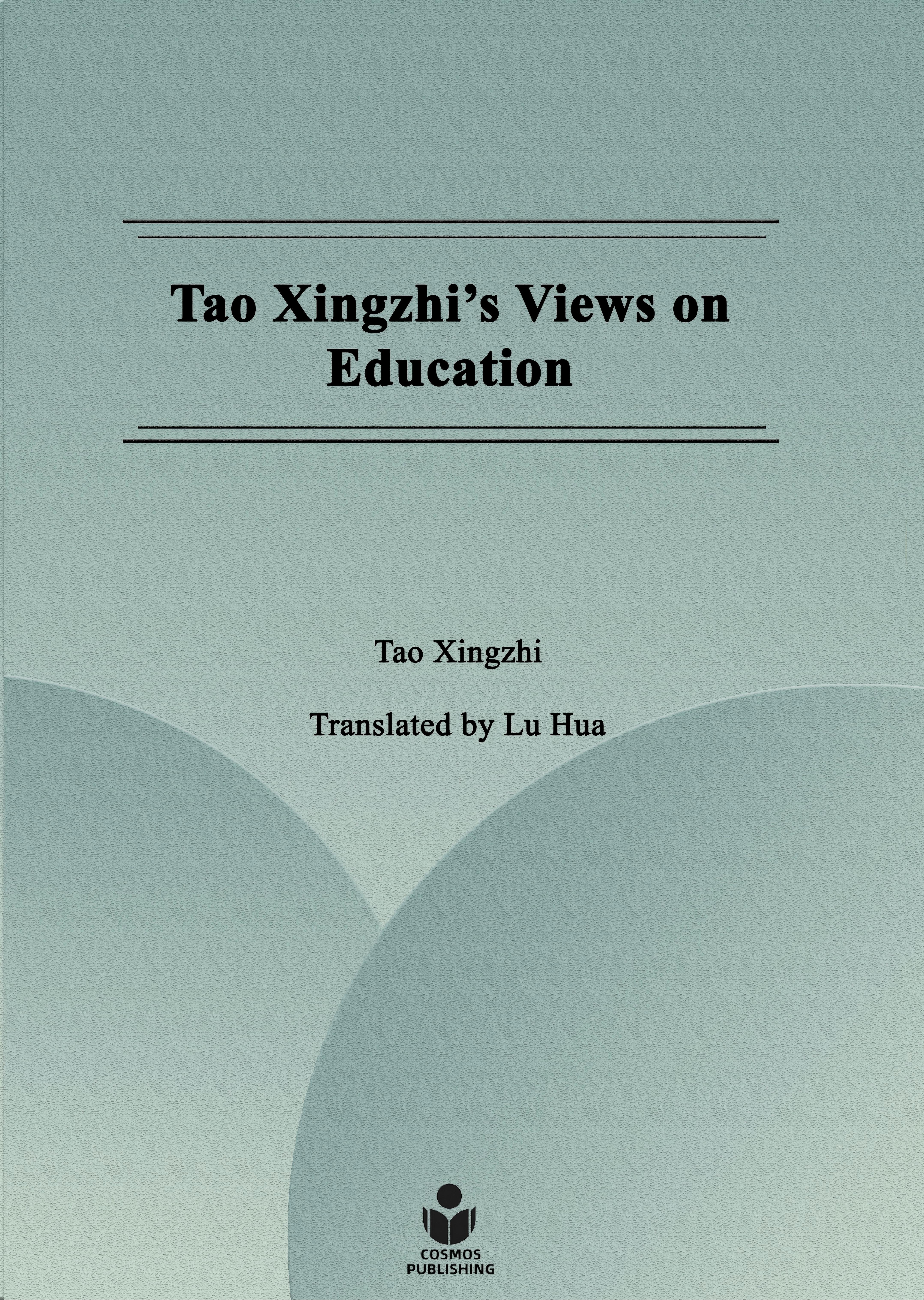
Tao Xingzhi's Views on Education
This book is a comprehensive collection of Tao Xingzhi's reflections, speeches, and essays on the philosophy and practice of education in modern China. Tao Xingzhi (1891–1946) was a pioneering educator and reformer in China. This book presents his lifelong dedication to reshaping education as a…
Book overview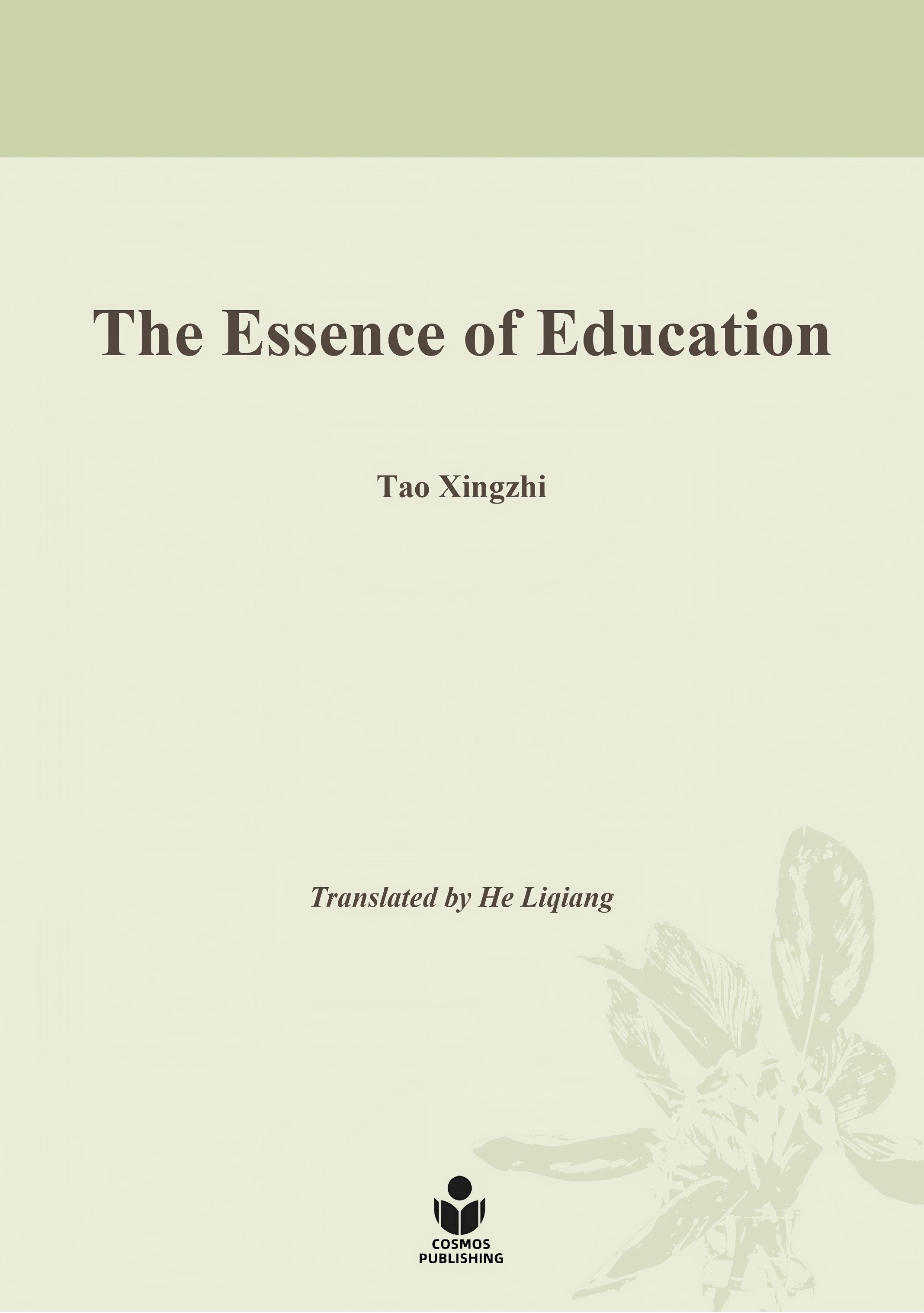
The Essence of Education
This book selects Tao Xingzhi's famous expositions on education, including the ideal of education, the construction of normal education, the reform of rural education, the art-friend system of normal education, life as education, society as school, teaching-learning-doing integration, democratic education, scientific education, creative education, children's…
Book overview