A Study on the Differentiated Application of the Essential Facilities Doctrine in Antitrust Law in the Digital Era
About this book
The essential facilities doctrine (EFD) is an institutional instrument in antitrust law whose purpose is to remedy bottleneck monopolies, unblock competitive channels, and guarantee the effective contestability of markets. The central thesis of this book is that the first typological split—from essential physical facilities to essential intellectual property—saw the Court of Justice of the EU insist on differentiated application, and during the second split—from essential intellectual property to essential digital facilities—the same differentiating spirit should be maintained. In the initial move toward IP, the “new-product requirement” reconciled the MCI standard with the idiosyncrasies of intellectual-property facilities, while in the ongoing move toward the digital economy, the MCI standard must be recalibrated through a “new-market requirement.” This requirement demands that, when assessing whether digital platforms, search engines, big-data pools or cloud infrastructures constitute essential facilities, enforcers examine whether refusal to open the facility forecloses competition in downstream, secondary, adjacent, derivative, peripheral, emergent, aftermarket, service, or post-sales markets. Whereas traditional analysis privileges a supply-side inquiry into the controller’s rights over the facility, the new-market requirement prescribes a demand-side focus on the facility’s foreclosure effect upon these new markets. This book seeks to reconstruct a doctrinal system that embeds the principle of differentiation, thereby remedying the incommensurability inherent in the traditional test, while simultaneously insisting that distinct facility types remain “harmoniously different.” Through a tripartite division—essential physical, essential knowledge and essential digital facilities—it offers a coherent analytical framework. Future scholarship must devote still greater attention to the fine-grained differentiation of essential facilities, so that the doctrine can retain enduring theoretical vitality in an era dominated by digital infrastructure.
More from our catalogue
All publications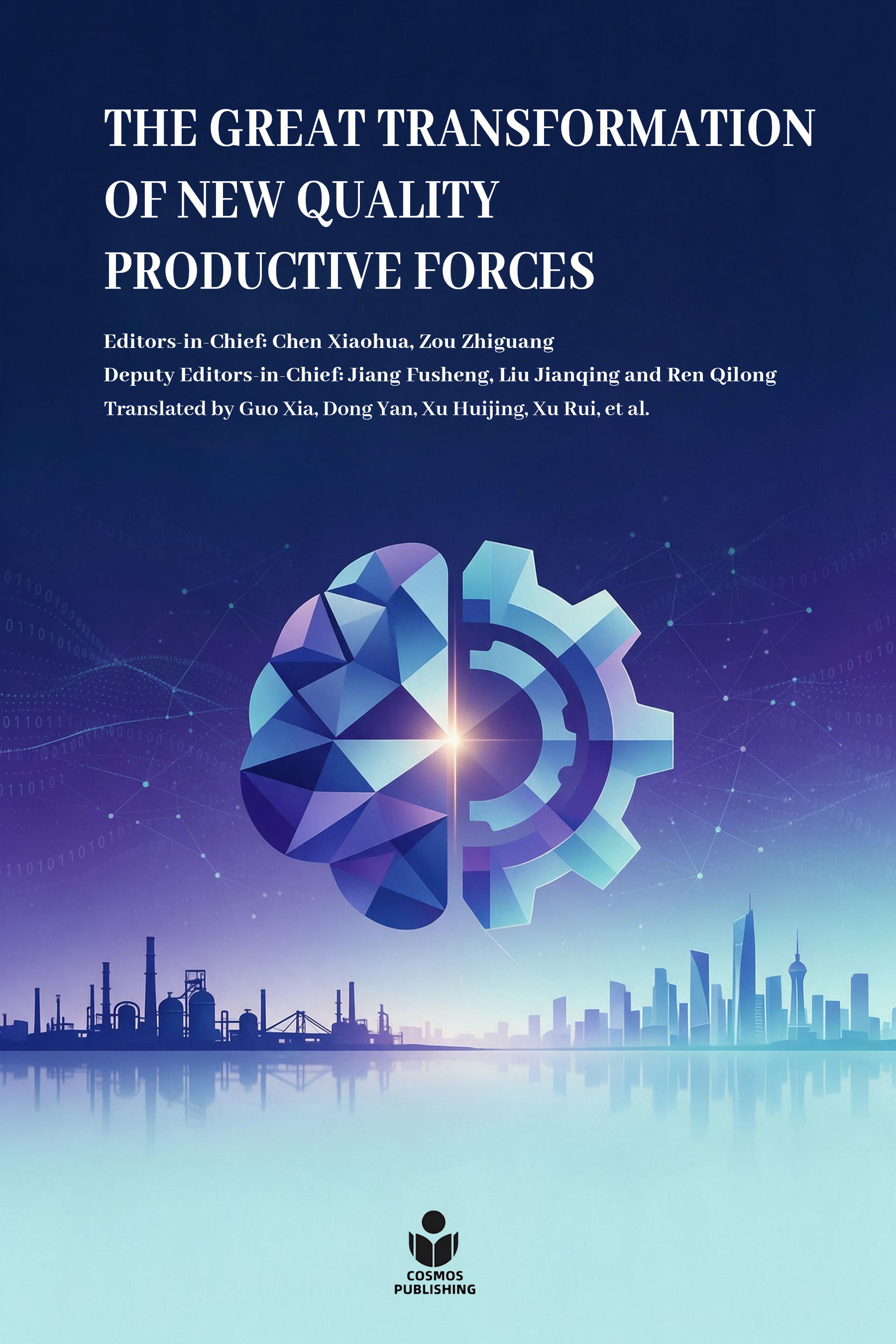
The Great Transformation of New Quality Productive Forces
The Great Transformation of New Quality Productive Forces is a professionally compiled work that systematically interprets the concept, theory and practice of new quality productive forces against the global technological revolution and China’s high-quality development backdrop. Originating from the strategic deployment put forward in 2023…
Book overview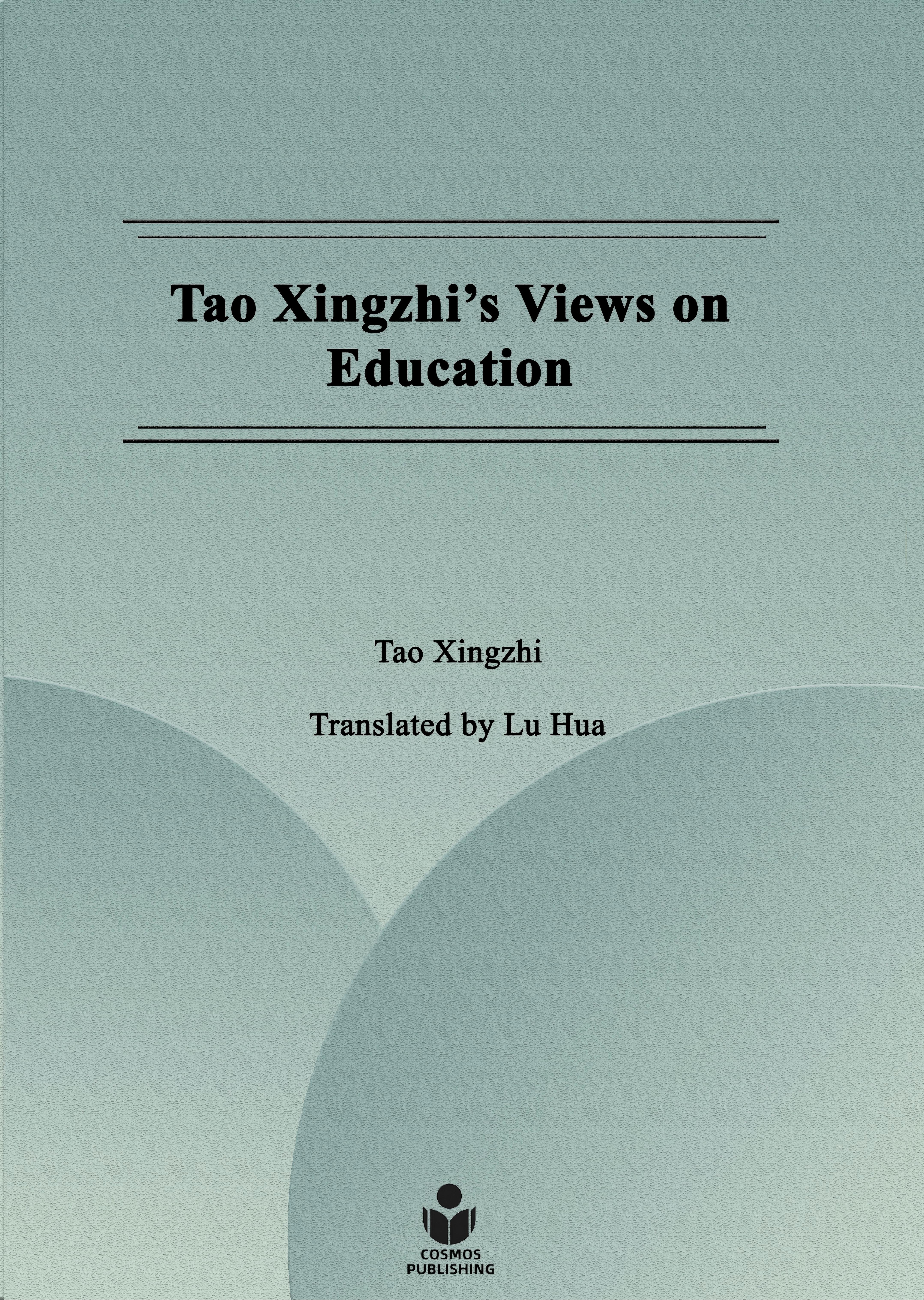
Tao Xingzhi's Views on Education
This book is a comprehensive collection of Tao Xingzhi's reflections, speeches, and essays on the philosophy and practice of education in modern China. Tao Xingzhi (1891–1946) was a pioneering educator and reformer in China. This book presents his lifelong dedication to reshaping education as a…
Book overview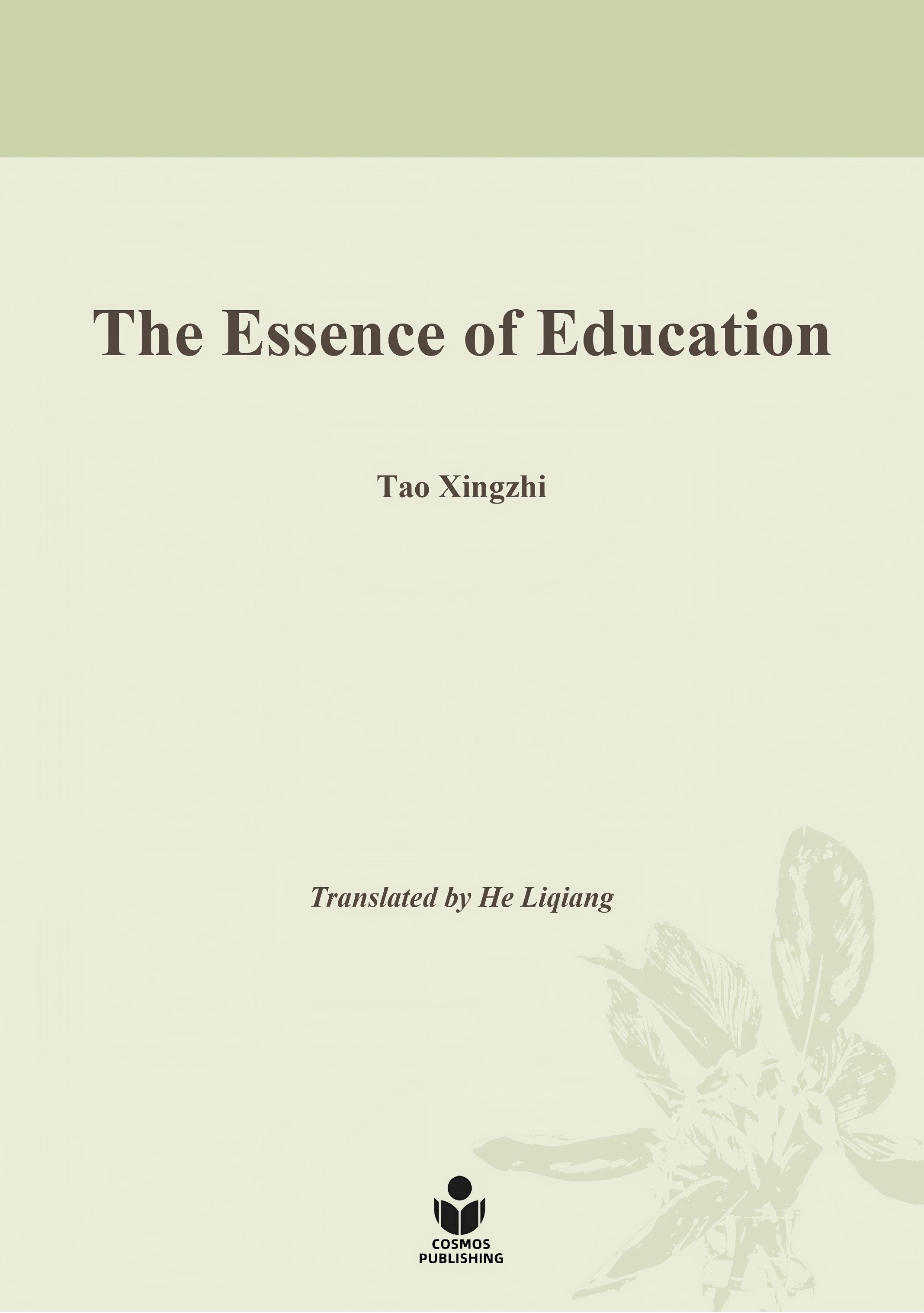
The Essence of Education
This book selects Tao Xingzhi's famous expositions on education, including the ideal of education, the construction of normal education, the reform of rural education, the art-friend system of normal education, life as education, society as school, teaching-learning-doing integration, democratic education, scientific education, creative education, children's…
Book overview