A History of Modern China’s Relations with Southeast Asia
About this book
In the latter half of the 17th century, Southeast Asia became a key area of Western colonial expansion. While most states came under colonial control, Sulu, Lan Xang, Annam, Siam, and Burma kept official tributary relations with the Qing Dynasty, which took over and formalized Ming rules. These activities reached their peak during the Qianlong reign. The tribute system was totally different from Western colonial relations. It was not an exploitative suzerain-vassal system but a mutually beneficial one: China confirmed its status as the Celestial Empire through generous gifts, while neighboring states gained diplomatic recognition and trade benefits. Despite formal inequalities—one-way diplomatic terms, unequal state letters, and the kowtow ceremony—the system remained essentially a form of peaceful exchange.
However, the Qing government showed great weakness in the face of Western colonial aggression. It made compromises when Britain took over Burma, France colonized Vietnam, and when there were provocations against Siam, without supporting local resistance. At the same time, modern China and Southeast Asia developed common anti-colonial struggles. Overseas Chinese took an active part in regional revolutionary movements, while the Qing court slowly changed its view of overseas Chinese from “abandoned subjects” to setting up consular protection—though held back by weak national strength and colonial blocking. Trade between colonized Southeast Asian states and China was more and more used for Western profit.
This book studies China-Southeast Asia relations in the context of modern world history, looking at the development and changes of Qing tributary diplomacy. It questions the common view that the Opium War was the main end of the system, filling an important scholarly gap. The work provides an important reference for researchers in this field.
More from our catalogue
All publications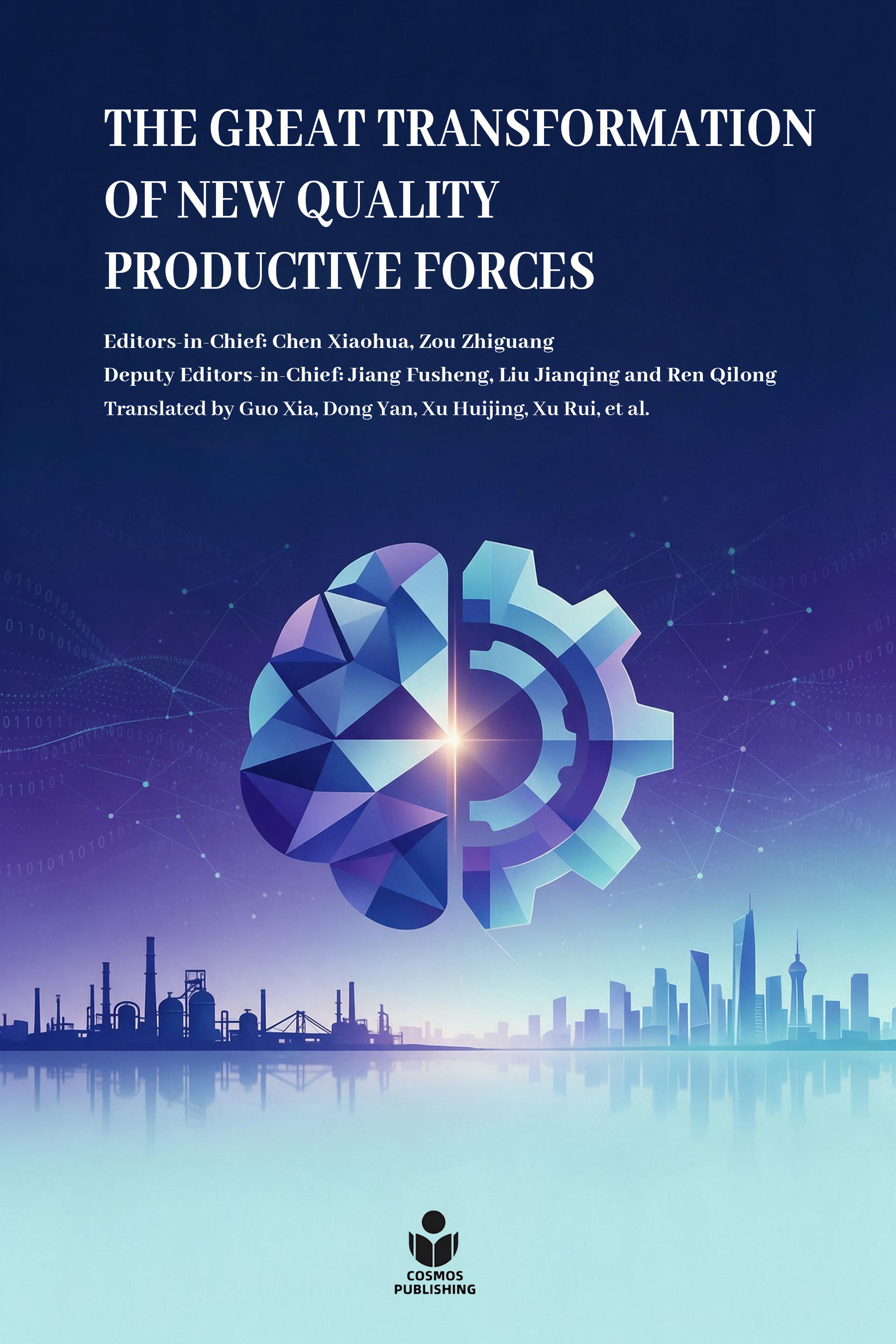
The Great Transformation of New Quality Productive Forces
The Great Transformation of New Quality Productive Forces is a professionally compiled work that systematically interprets the concept, theory and practice of new quality productive forces against the global technological revolution and China’s high-quality development backdrop. Originating from the strategic deployment put forward in 2023…
Book overview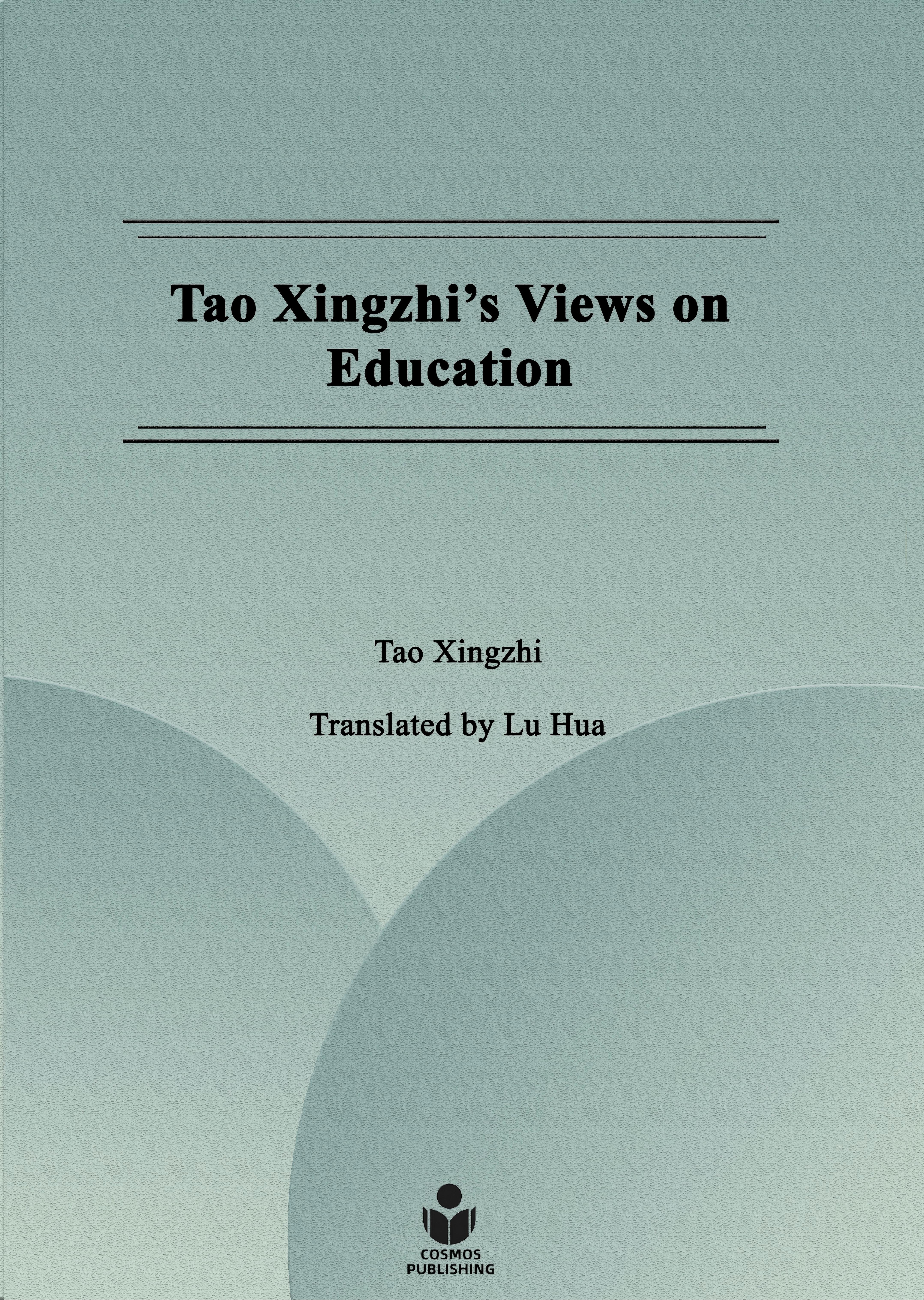
Tao Xingzhi's Views on Education
This book is a comprehensive collection of Tao Xingzhi's reflections, speeches, and essays on the philosophy and practice of education in modern China. Tao Xingzhi (1891–1946) was a pioneering educator and reformer in China. This book presents his lifelong dedication to reshaping education as a…
Book overview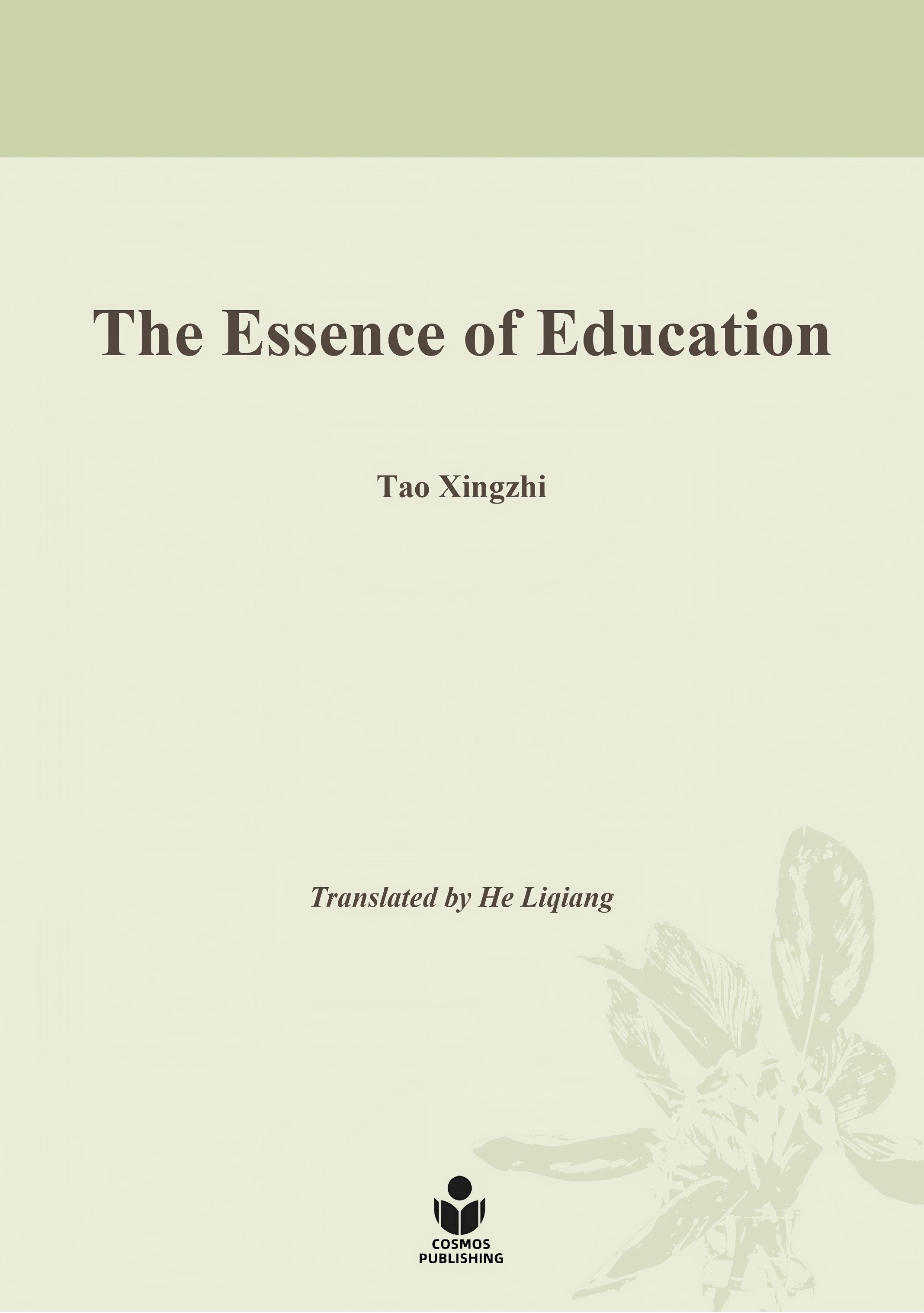
The Essence of Education
This book selects Tao Xingzhi's famous expositions on education, including the ideal of education, the construction of normal education, the reform of rural education, the art-friend system of normal education, life as education, society as school, teaching-learning-doing integration, democratic education, scientific education, creative education, children's…
Book overview