Offshore Nuclear Energy Utilization and Prospects
About this book
Nuclear energy is a low-carbon, efficient, and economical large-scale energy source that is widely used in aircraft carriers, submarines, icebreakers, merchant ships, and power generation ships. The combination of the ocean and nuclear energy is considered a symbol of a country's comprehensive strength.
Human beings have a history of peaceful use of nuclear energy for over half a century. For example, in 1954, the first experimental nuclear power plant was built in Obninsk, Russia, and connected to the grid, marking the beginning of nuclear energy as a new form of productive force. Currently, 31 countries worldwide use nuclear energy, with a total of 441 nuclear power plants distributed across various regions of the Earth. Nuclear power has entered human life, providing energy to thousands of households, and has made significant contributions to global low-carbon emission reduction and the mitigation of the greenhouse effect. At present, the total installed capacity of nuclear power has reached 374,000 MW, accounting for 16% of the world's total electricity production. Among these, the United States has 104 operating reactors, producing 20% of its electricity supply.
The application of nuclear energy at sea also has a long history, with over 50 years of operational experience. The United States has 11 aircraft carriers, all of which are nuclear-powered, making it a maritime power internationally. The "Sturgis" nuclear power plant in the United States is the world's first floating nuclear power plant, which provided energy for the Panama Canal region in the 1960s and 1970s. Russia has extensive experience in nuclear-powered icebreakers. In 1957, the Soviet Union manufactured the world's first nuclear-powered icebreaker, the "Lenin." Currently, the world's first floating nuclear power plant in service, the "Rosatom" floating nuclear power plant, is under construction in St. Petersburg and is expected to provide clean electricity to offshore areas by 2016.
Marine nuclear energy applications have many advantages: First, nuclear energy has a high energy density. Nuclear energy uses the heat generated by nuclear fission reactions in the reactor to generate electricity. One kilogram of 235U, after complete fission, releases an amount of energy equivalent to 2400-2700 tons of standard coal. Through nuclear power generation, the dependence on fuel gas and diesel can be significantly reduced. Second, nuclear power generation is economically advantageous, with long lifetimes for nuclear power plants, typically 40-60 years, high automation levels, and small amounts of operation and maintenance work. During long-term operation, nuclear energy exhibits significant economic benefits. Third, nuclear energy is also an environmentally friendly energy source. It does not emit large amounts of smoke dust, sulfur dioxide, carbon dioxide, or solid waste, and there is no pressure from carbon emissions. Fourth, nuclear energy is currently the most mature alternative energy technology and has unparalleled technical maturity advantages.
Under the complex international situation and economic development needs, it is of great significance to carry out research on the utilization of marine nuclear energy. This book comprehensively, systematically, and profoundly narrates the application of marine nuclear energy domestically and abroad. The book is divided into seven chapters, which are an overview of the utilization of marine nuclear energy, nuclear-powered aircraft carriers, nuclear-powered submarines, nuclear-powered icebreakers, nuclear-powered merchant ships, floating nuclear power plants, and the outlook for the utilization of marine nuclear energy.
This book is a systematic introduction to the application of marine nuclear energy in marine power generation, marine energy supply, and other fields. The content is comprehensive, with rich case studies, and can serve as a reference for government agencies, defense departments, military, and scientific research institutions. In conclusion, we call upon more knowledgeable individuals to pay attention to the application of marine nuclear energy!
More from our catalogue
All publications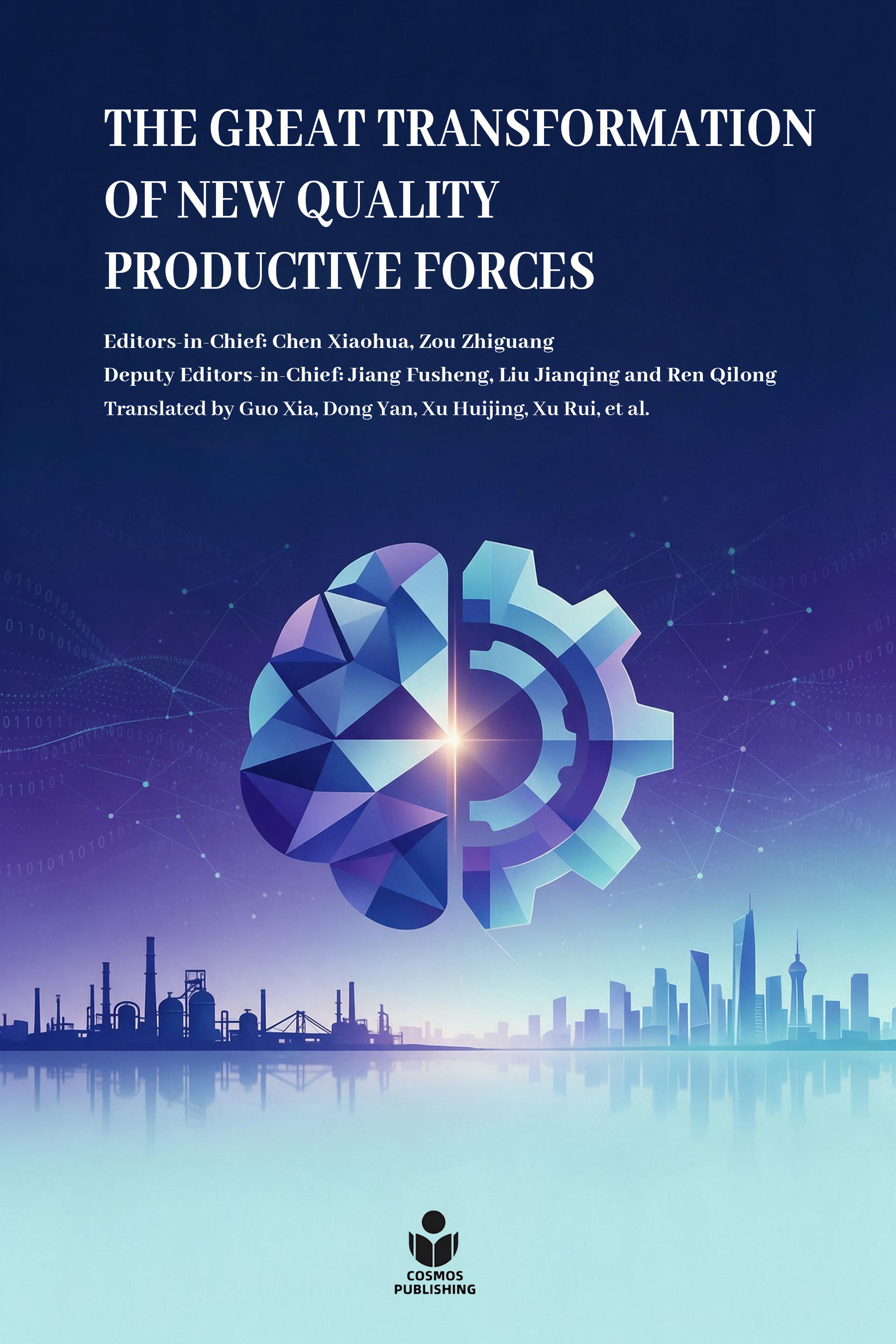
The Great Transformation of New Quality Productive Forces
The Great Transformation of New Quality Productive Forces is a professionally compiled work that systematically interprets the concept, theory and practice of new quality productive forces against the global technological revolution and China’s high-quality development backdrop. Originating from the strategic deployment put forward in 2023…
Book overview
Tao Xingzhi's Views on Education
This book is a comprehensive collection of Tao Xingzhi's reflections, speeches, and essays on the philosophy and practice of education in modern China. Tao Xingzhi (1891–1946) was a pioneering educator and reformer in China. This book presents his lifelong dedication to reshaping education as a…
Book overview
The Essence of Education
This book selects Tao Xingzhi's famous expositions on education, including the ideal of education, the construction of normal education, the reform of rural education, the art-friend system of normal education, life as education, society as school, teaching-learning-doing integration, democratic education, scientific education, creative education, children's…
Book overview