Random Notes on Archaeology in Guangxi
About this book
Based on on-site investigations, this book focuses on the archaeological value and cultural context of the Bagui land, integrating documentary authenticity with cultural depth. Rooted in Guangxi's unique geographical environment, the works comprehensively present the regional historical heritage, covering areas from the Hongshui River Basin to the Liujiang River Basin, and from ancient sites in Pubei to cultural relics of the Luoyue people.
The book records the profound bronze drum culture in Donglan—where 612 existing inherited bronze drums account for a quarter of the world's collection—and showcases archaeological discoveries in Pubei such as Asian elephant fossils and late Eastern Han bronzes, as well as the past of the ancient Yuezhou City in the Southern Dynasties, once a southern military, political and cultural center. It also elaborates on the scientific research significance of the Liujiang Man fossils, confirms Guangxi's status as "the core of the world's center for paleoanthropological research", and sorts out the connection between paleolithic sites and the geographical environment.
Through visits to cultural relics and historic sites and stories of guardians, the prose links the integration of Luoyue culture, Tusi culture and Confucian culture. With vivid writing, it allows readers to intuitively feel the diverse values and cultural charm of Guangxi archaeology, realizing the educational dissemination of archaeological knowledge and cultural inheritance.
More from our catalogue
All publications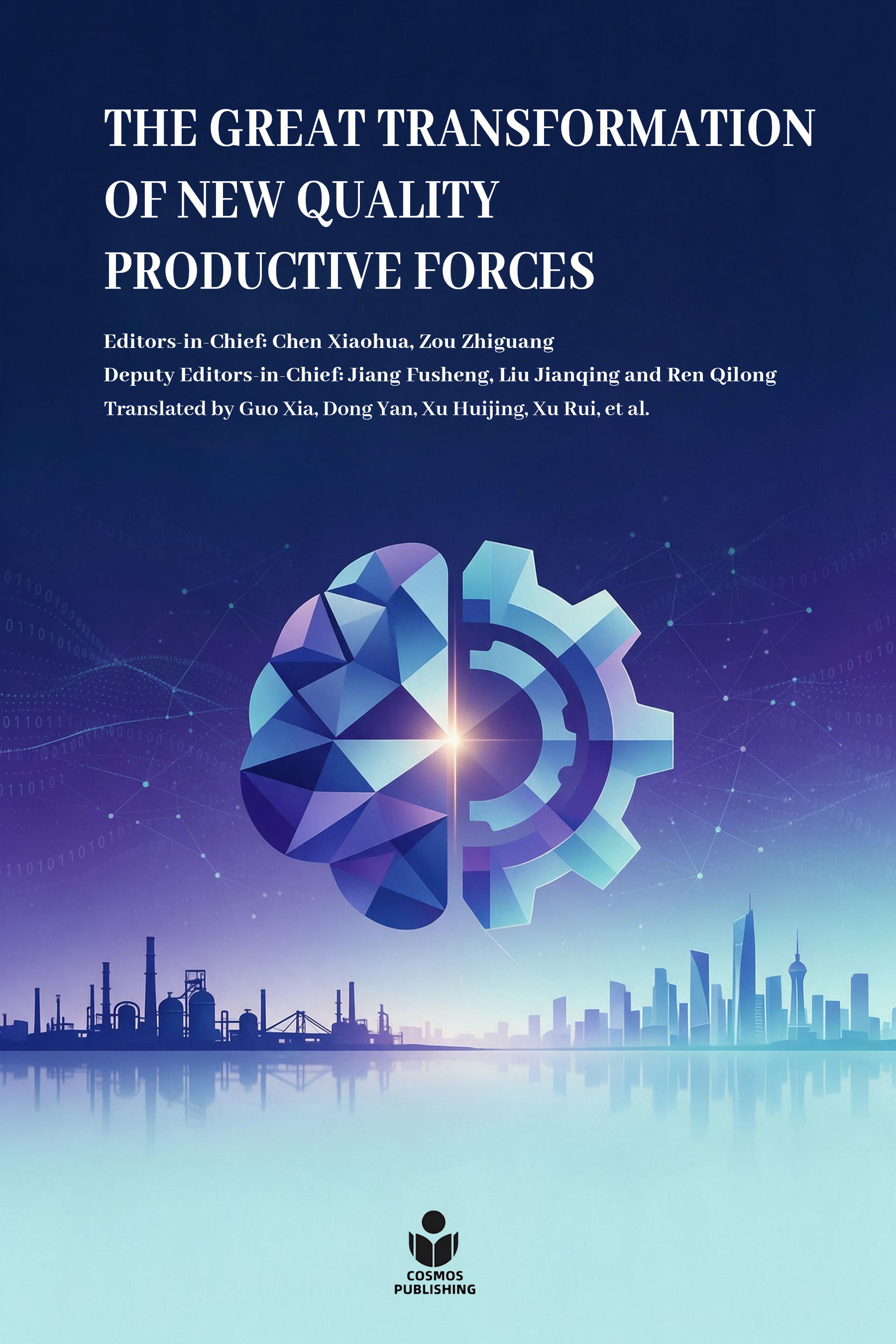
The Great Transformation of New Quality Productive Forces
The Great Transformation of New Quality Productive Forces is a professionally compiled work that systematically interprets the concept, theory and practice of new quality productive forces against the global technological revolution and China’s high-quality development backdrop. Originating from the strategic deployment put forward in 2023…
Book overview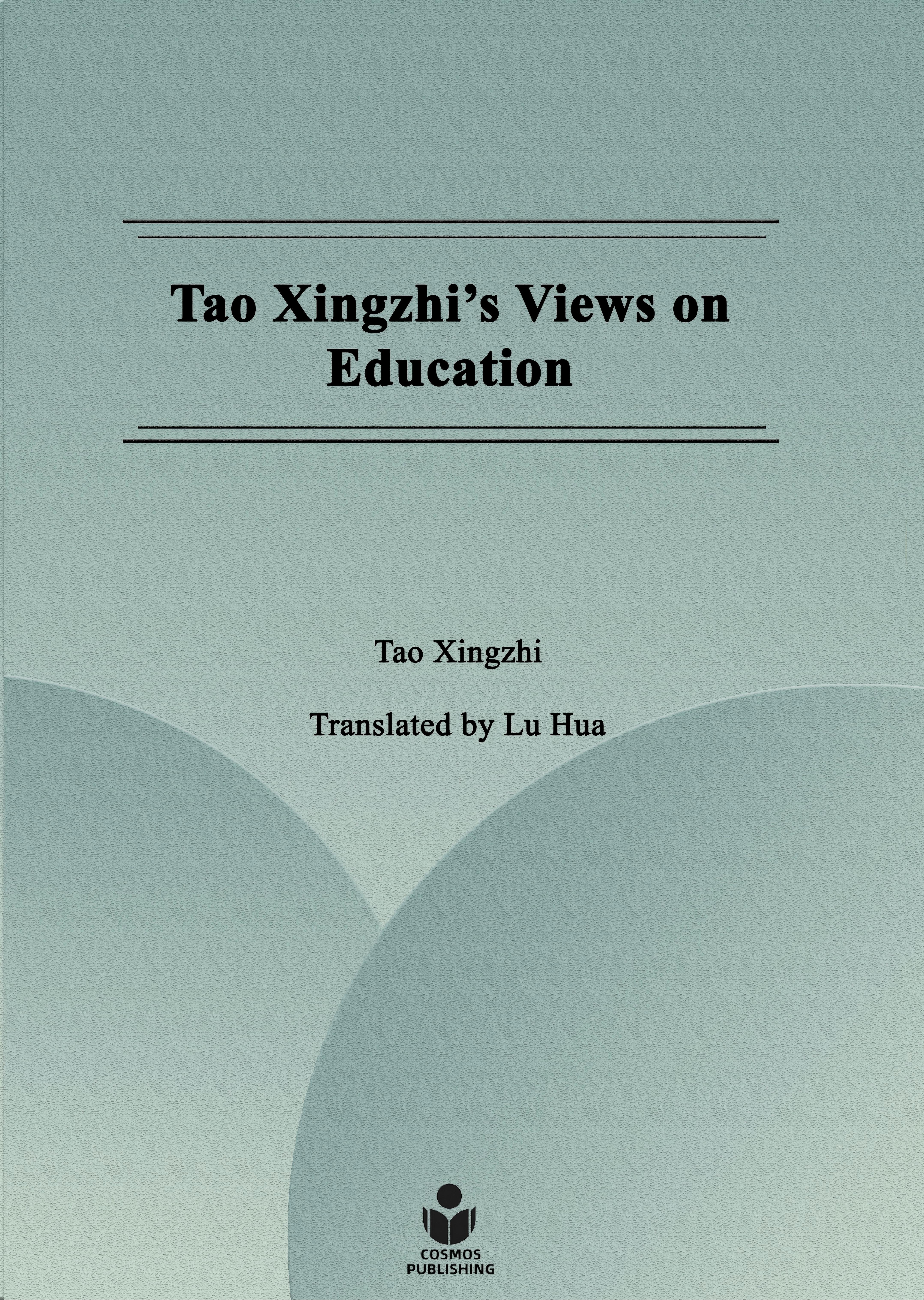
Tao Xingzhi's Views on Education
This book is a comprehensive collection of Tao Xingzhi's reflections, speeches, and essays on the philosophy and practice of education in modern China. Tao Xingzhi (1891–1946) was a pioneering educator and reformer in China. This book presents his lifelong dedication to reshaping education as a…
Book overview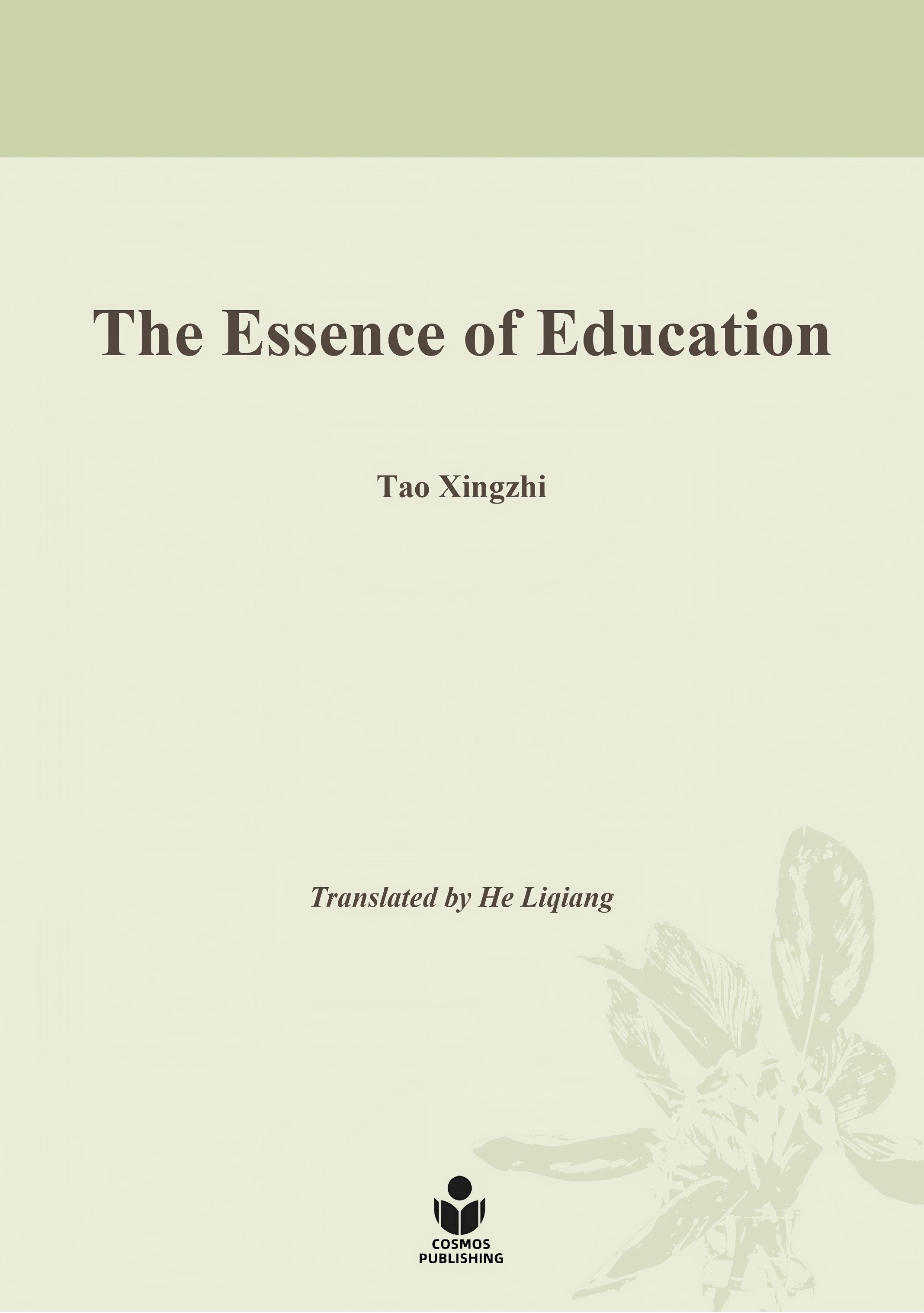
The Essence of Education
This book selects Tao Xingzhi's famous expositions on education, including the ideal of education, the construction of normal education, the reform of rural education, the art-friend system of normal education, life as education, society as school, teaching-learning-doing integration, democratic education, scientific education, creative education, children's…
Book overview