Fate in Tears and Laughter
About this book
Fate in Tears and Laughter, a novel set during the Beiyang Warlord era (1916-1928), explores the dark, chaotic facets of society through the tragic and quadrangle love story between Fan Jiashu and three girls. Written in 22 chapters, the novel skillfully intertwines emotions and moral righteousness, with surprising twists in love, vivid description of characters and the life, landscape, and society of Beijing in the 1920s, critique of feudalism, and representation of modernity. The novel was serialized in Kuaihuolin (Happy Forest), the supplement of Xinwen Bao (Newspaper) based in Shanghai, from March 17th, 1930, to November 30, 1930, and the book edition of the novel was published one month after the end of its serialization. Before 1949, the book was published in 22 editions by different publishers, with the number of printed books accounting to approximately 150,000, a phenomenal figure of the time. After 1949, Fate in Tears and Laughter was re-published many times, with a minor peak in the 1950s’ and continued re-publication every two or three years since the 1980s, amounting to over 40 editions and a printing of over one million books. Another type of interaction between general readers and the book is the adaptation into dramas, movies, or TV series. The first drama version of Fate in Tears and Laughter appeared in 1931 by Dahua Drama Troupe in Shanghai, though terminated by Mingxing Company,the IP right owner of the book. However, the wave of adaptation was so overwhelming that it has been adapted into many traditional Chinese artistic forms, drama, local operas, movies and TV series. According to Gao, the number of movies and TV series adapted from the novel went above 12. Fate in Tears and Laughter stands as a significant work for understanding Chinese social and ethical development towards modernity.
More from our catalogue
All publications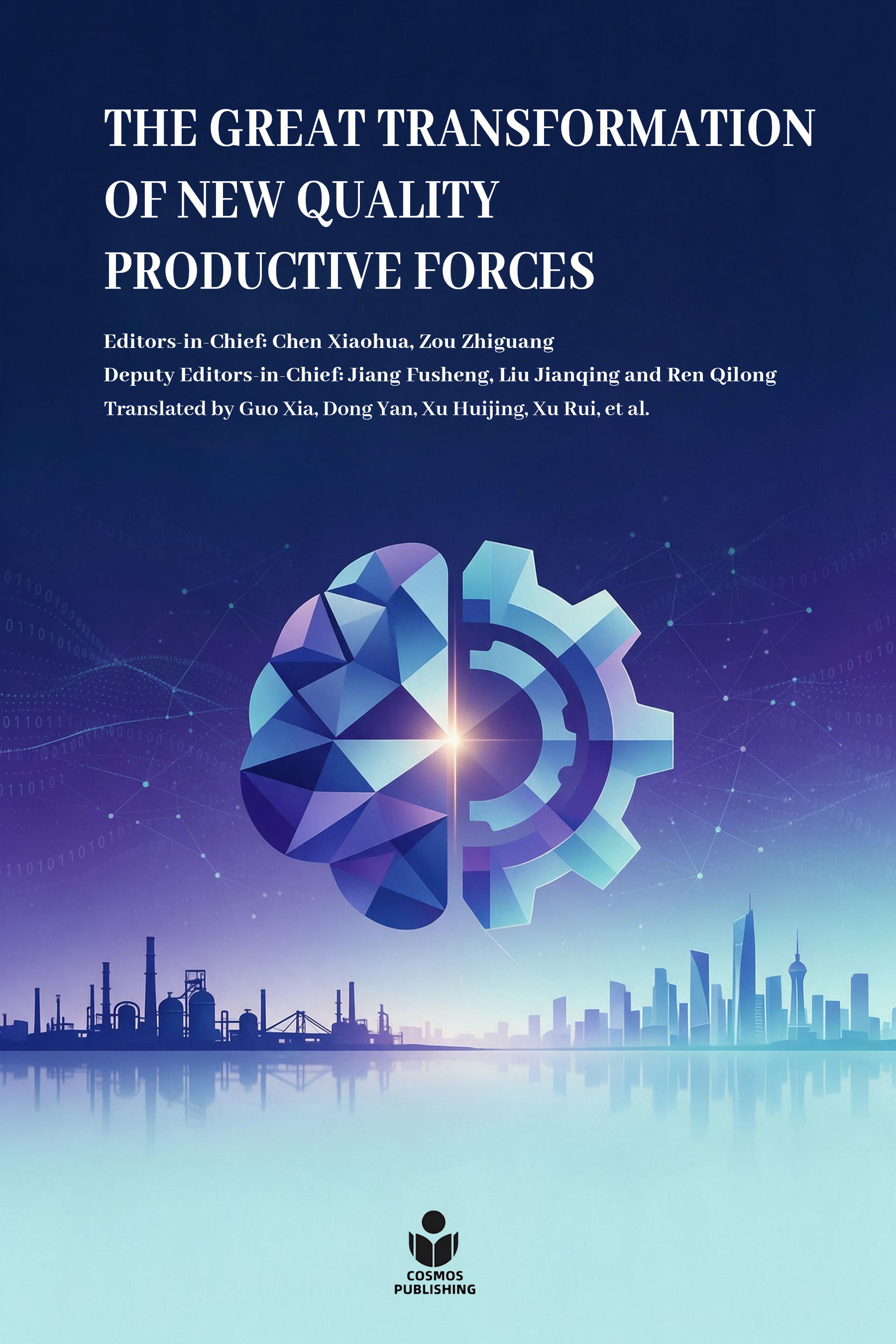
The Great Transformation of New Quality Productive Forces
The Great Transformation of New Quality Productive Forces is a professionally compiled work that systematically interprets the concept, theory and practice of new quality productive forces against the global technological revolution and China’s high-quality development backdrop. Originating from the strategic deployment put forward in 2023…
Book overview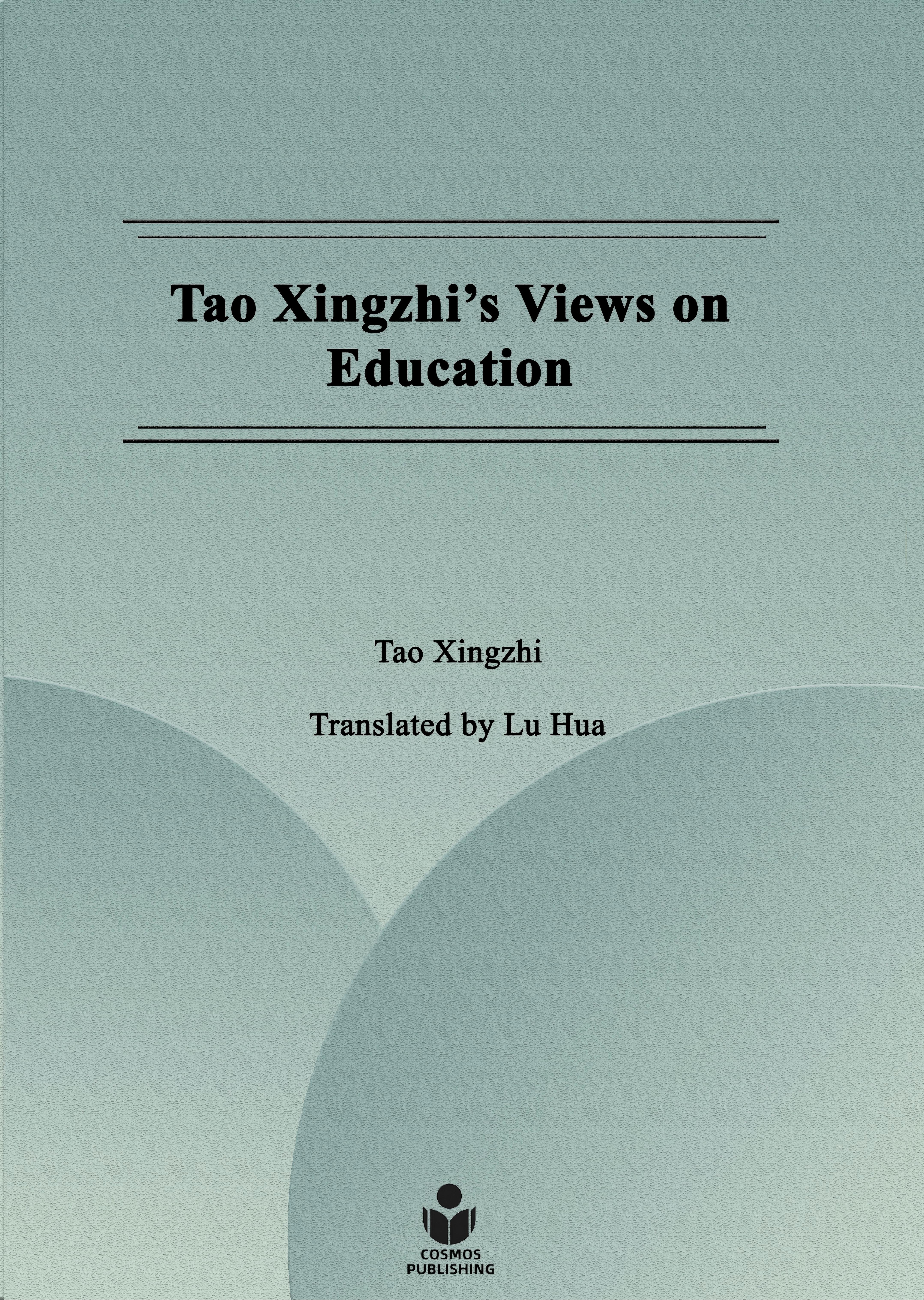
Tao Xingzhi's Views on Education
This book is a comprehensive collection of Tao Xingzhi's reflections, speeches, and essays on the philosophy and practice of education in modern China. Tao Xingzhi (1891–1946) was a pioneering educator and reformer in China. This book presents his lifelong dedication to reshaping education as a…
Book overview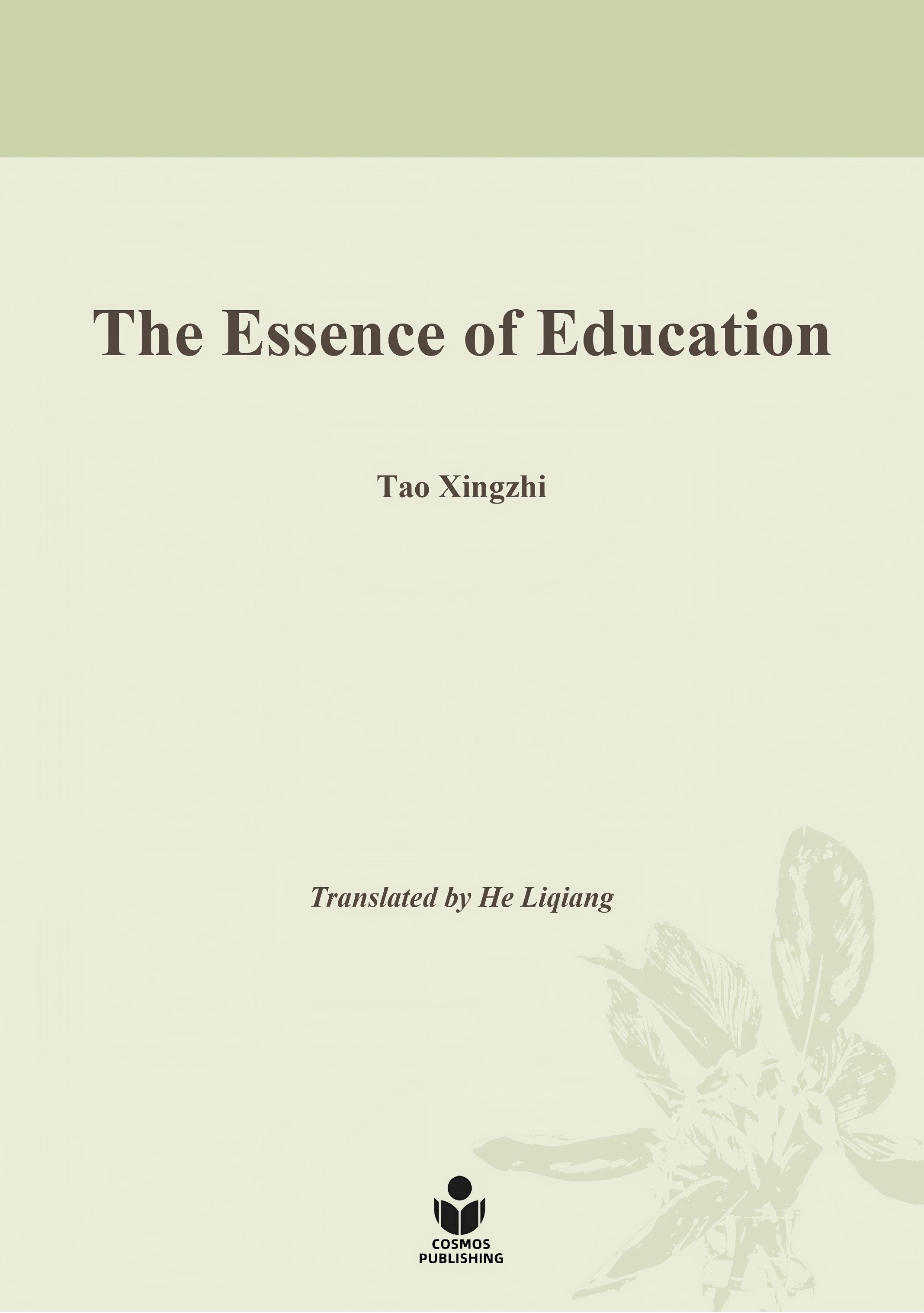
The Essence of Education
This book selects Tao Xingzhi's famous expositions on education, including the ideal of education, the construction of normal education, the reform of rural education, the art-friend system of normal education, life as education, society as school, teaching-learning-doing integration, democratic education, scientific education, creative education, children's…
Book overview