Pioneering and Founding: Tao Xingzhi and Modern Chinese Culture
About this book
Pioneering and Founding: Tao Xingzhi and Modern Chinese Culture is a seminal academic work that comprehensively examines the life, educational philosophy, and profound cultural impact of Tao Xingzhi (1891–1946), one of modern China's most influential educators and intellectuals. This study situates Tao within the broader context of the seismic cultural shifts occurring in early 20th-century China, a period defined by the clash and fusion of Eastern and Western traditions.
The book meticulously traces Tao’s intellectual journey, from his roots in traditional Chinese learning and his transformative exposure to Western thought—including his deep engagement with Pragmatism at Columbia University—to his eventual critical assimilation of Marxist ideas. It argues that Tao Xingzhi was a quintessential product of this Sino-Western cultural dialogue and a pivotal figure in shaping modern Chinese culture, particularly in the realms of education, literature, and science.
Central to the narrative is Tao’s revolutionary “Life Education” theory, encapsulated in the principles of “Life as Education,” “Society as School,” and the “the Combination of Teaching, Learning, and Working.” The book provides a detailed analysis of how these ideas were not merely theoretical but were rigorously practiced through the founding of innovative institutions like the Morning Village Normal School, the Shan Hai Labor Science Union, Yu Tsai School, and the Social University. These experiments aimed to democratize education, linking it directly to social transformation and national salvation.
Beyond pedagogy, the work explores Tao’s significant contributions as a pioneer of language and script reform, a “mass poet” and writer, an advocate for popular art and drama, and a promoter of modern science and journalism. It also charts the international dissemination and enduring legacy of his educational thought in Japan, Europe, North America, and across Greater China. By presenting Tao Xingzhi as a cultural pioneer, this volume offers invaluable insights into the construction of modern Chinese educational theory and the ongoing quest to harmonize cultural heritage with progressive change.
More from our catalogue
All publications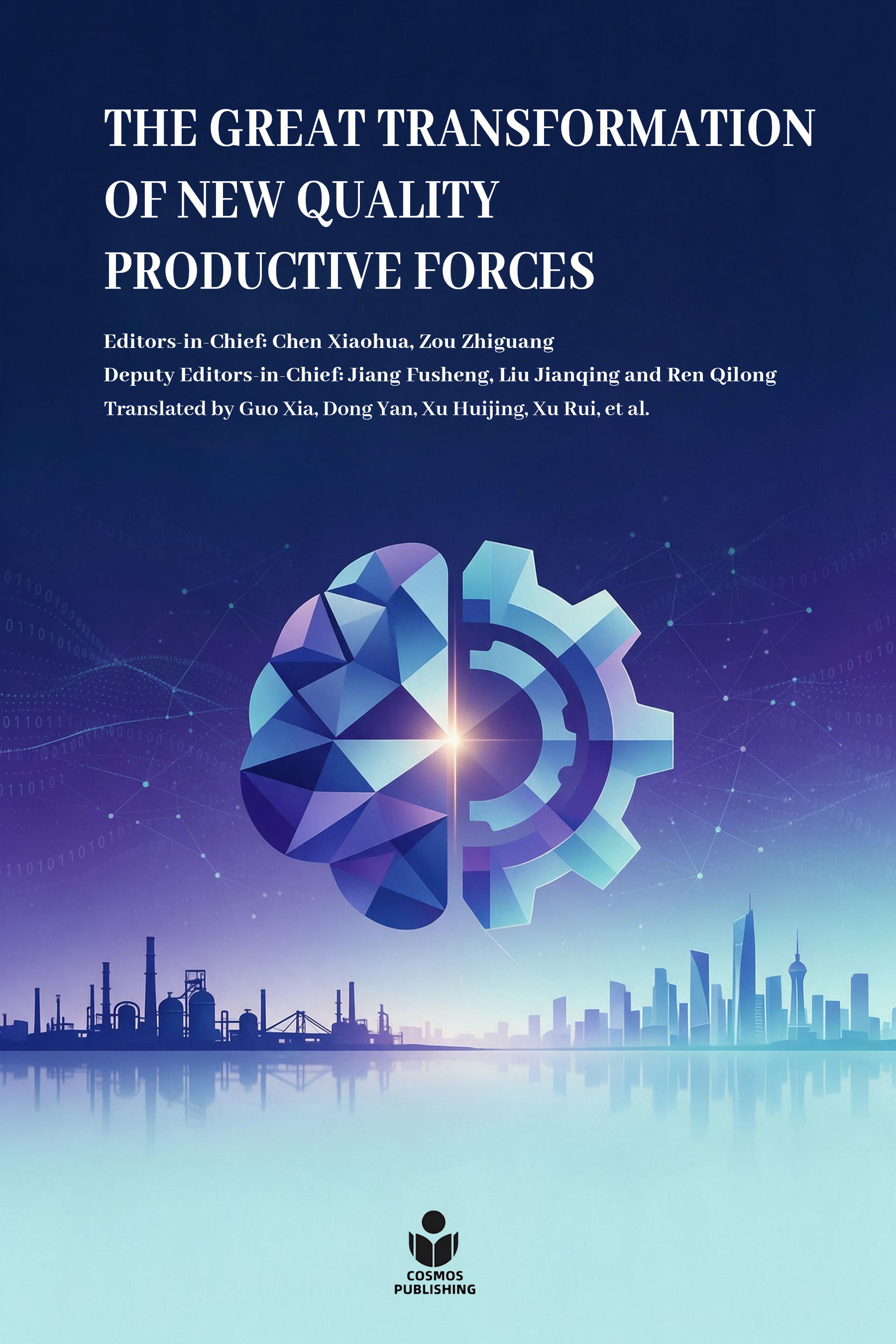
The Great Transformation of New Quality Productive Forces
The Great Transformation of New Quality Productive Forces is a professionally compiled work that systematically interprets the concept, theory and practice of new quality productive forces against the global technological revolution and China’s high-quality development backdrop. Originating from the strategic deployment put forward in 2023…
Book overview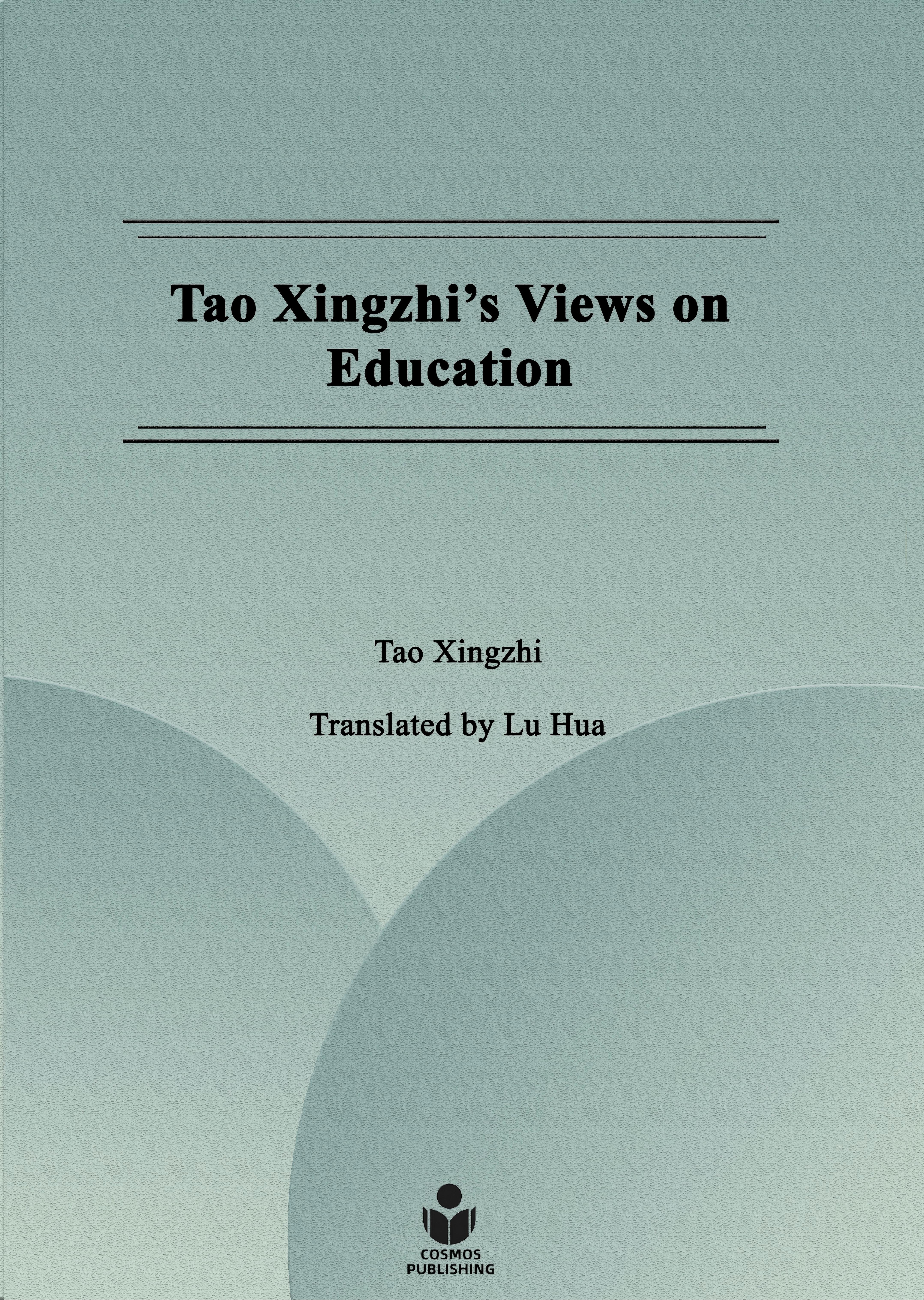
Tao Xingzhi's Views on Education
This book is a comprehensive collection of Tao Xingzhi's reflections, speeches, and essays on the philosophy and practice of education in modern China. Tao Xingzhi (1891–1946) was a pioneering educator and reformer in China. This book presents his lifelong dedication to reshaping education as a…
Book overview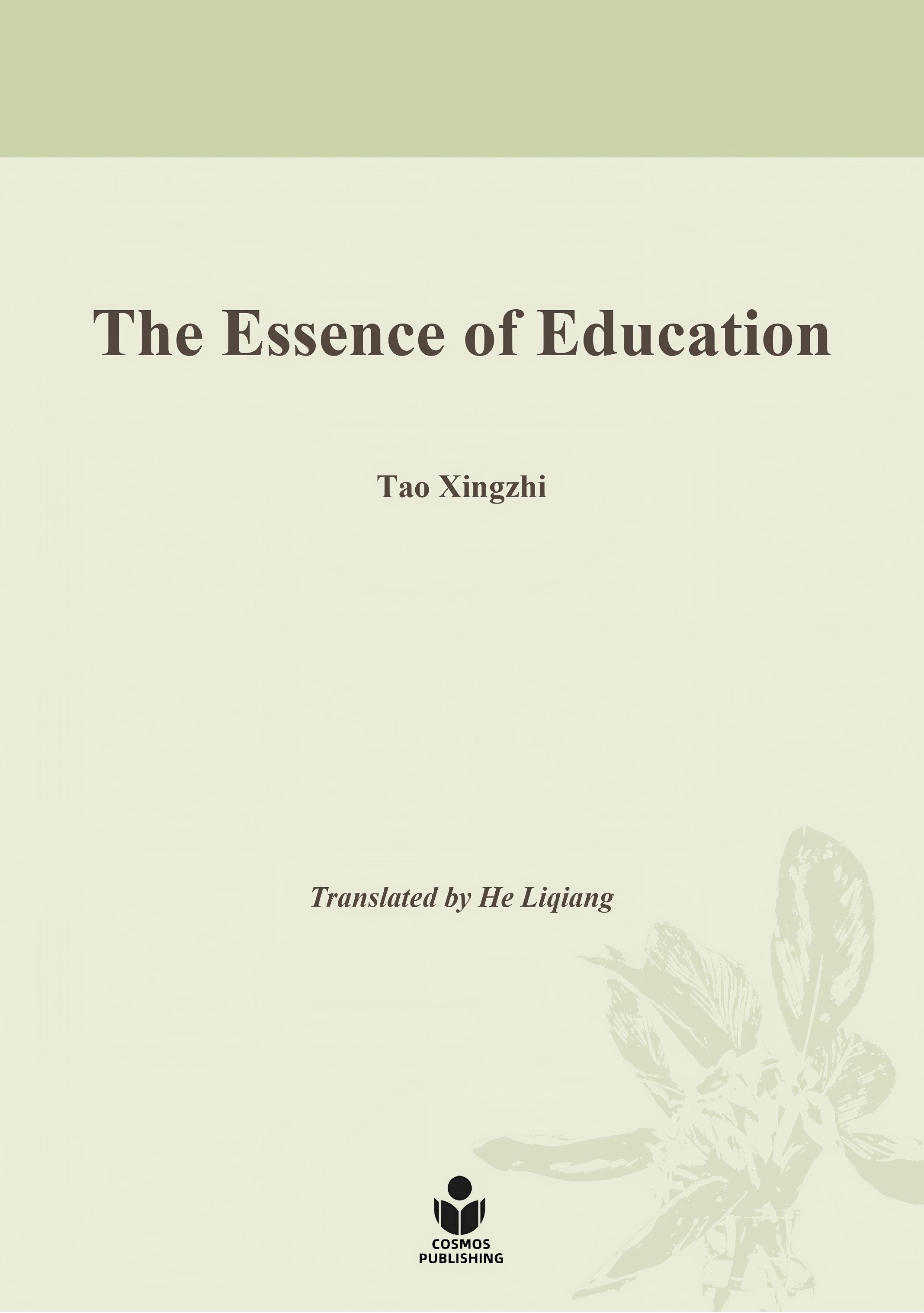
The Essence of Education
This book selects Tao Xingzhi's famous expositions on education, including the ideal of education, the construction of normal education, the reform of rural education, the art-friend system of normal education, life as education, society as school, teaching-learning-doing integration, democratic education, scientific education, creative education, children's…
Book overview