A Comparative Coursebook of Chinese and American Cultures
About this book
This coursebook introduces and explains the cultures of both China and the United States, helping students gain a deeper understanding of the connotations of the two cultures. At the same time, by comparing the cultures of the two countries on the same theme, it guides students to understand the similarities and differences between the two cultures, enhance their intercultural communication awareness, and cultivate their intercultural communication skills. The themes of the coursebook are close to students’ cognitive levels, covering Chinese and American cultural themes such as geography, history, philosophy, science and technology, education, literature, film, music, dance, painting, calligraphy, food, and festivals, fully demonstrating the rich and diverse cultures of the two countries. Students can explore the abundant connotations of different cultures by experiencing different folk customs. Each unit of this coursebook selects two related theme materials, which are vivid and interesting, and also practical. Students can improve their reading ability while learning cultural knowledge and understanding cultural connotations, and at the same time, they can consolidate their language basic skills and pay attention to the cultivation of critical thinking and intercultural communication skills. This coursebook has eight units. The first five units each focus on one theme, and the last three units each focus on two to three themes, totaling thirteen themes. Each unit is divided into Section A and Section B. Section A is about Chinese culture, mainly explaining the knowledge and connotations related to Chinese culture, allowing students to understand and master the English expressions of relevant Chinese cultural content. Section B is about American culture, introducing the knowledge and connotations related to American culture. Each section has Chinese annotations for new words, expressions, and proper names, as well as corresponding thought-provoking questions and bibliography.
More from our catalogue
All publications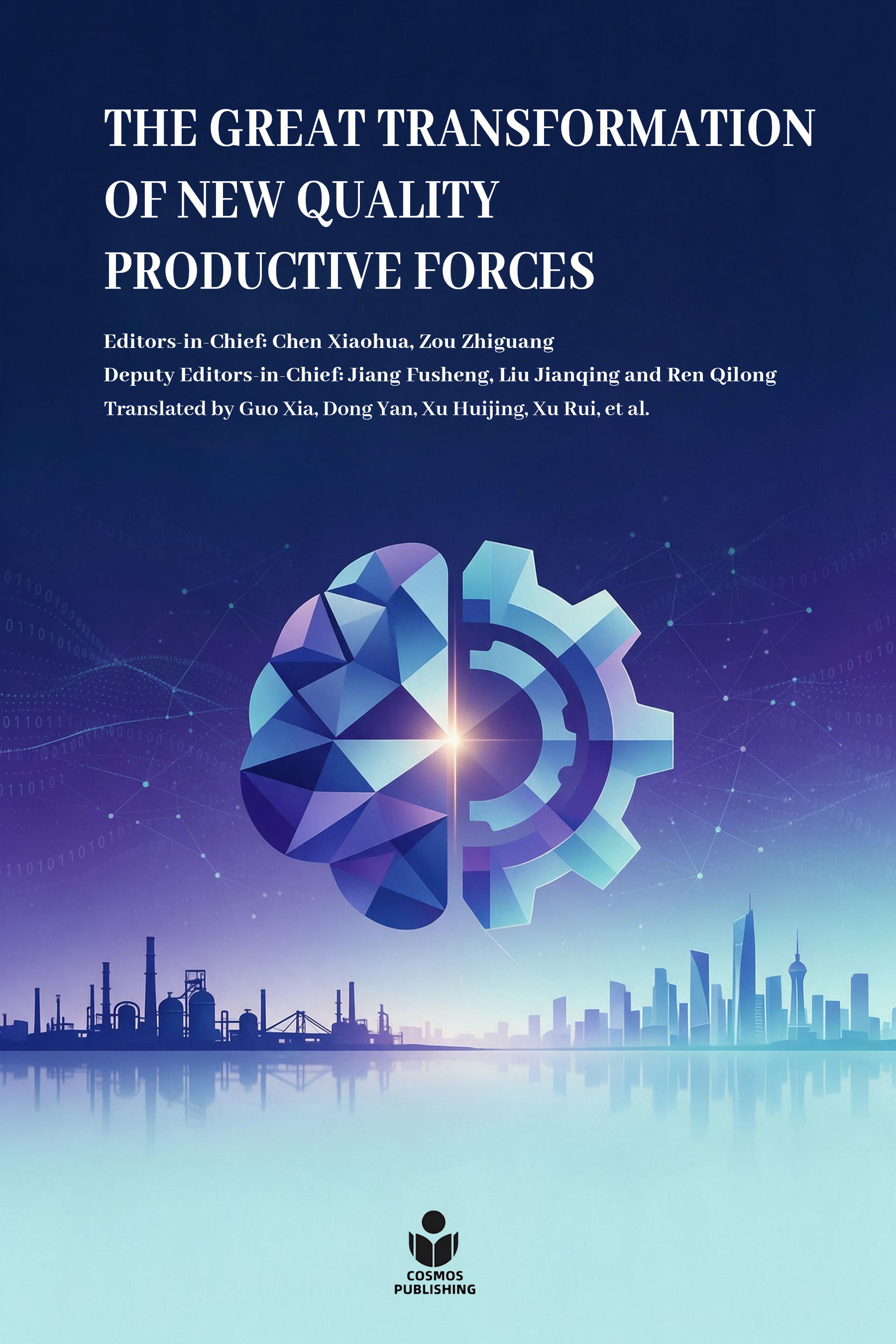
The Great Transformation of New Quality Productive Forces
The Great Transformation of New Quality Productive Forces is a professionally compiled work that systematically interprets the concept, theory and practice of new quality productive forces against the global technological revolution and China’s high-quality development backdrop. Originating from the strategic deployment put forward in 2023…
Book overview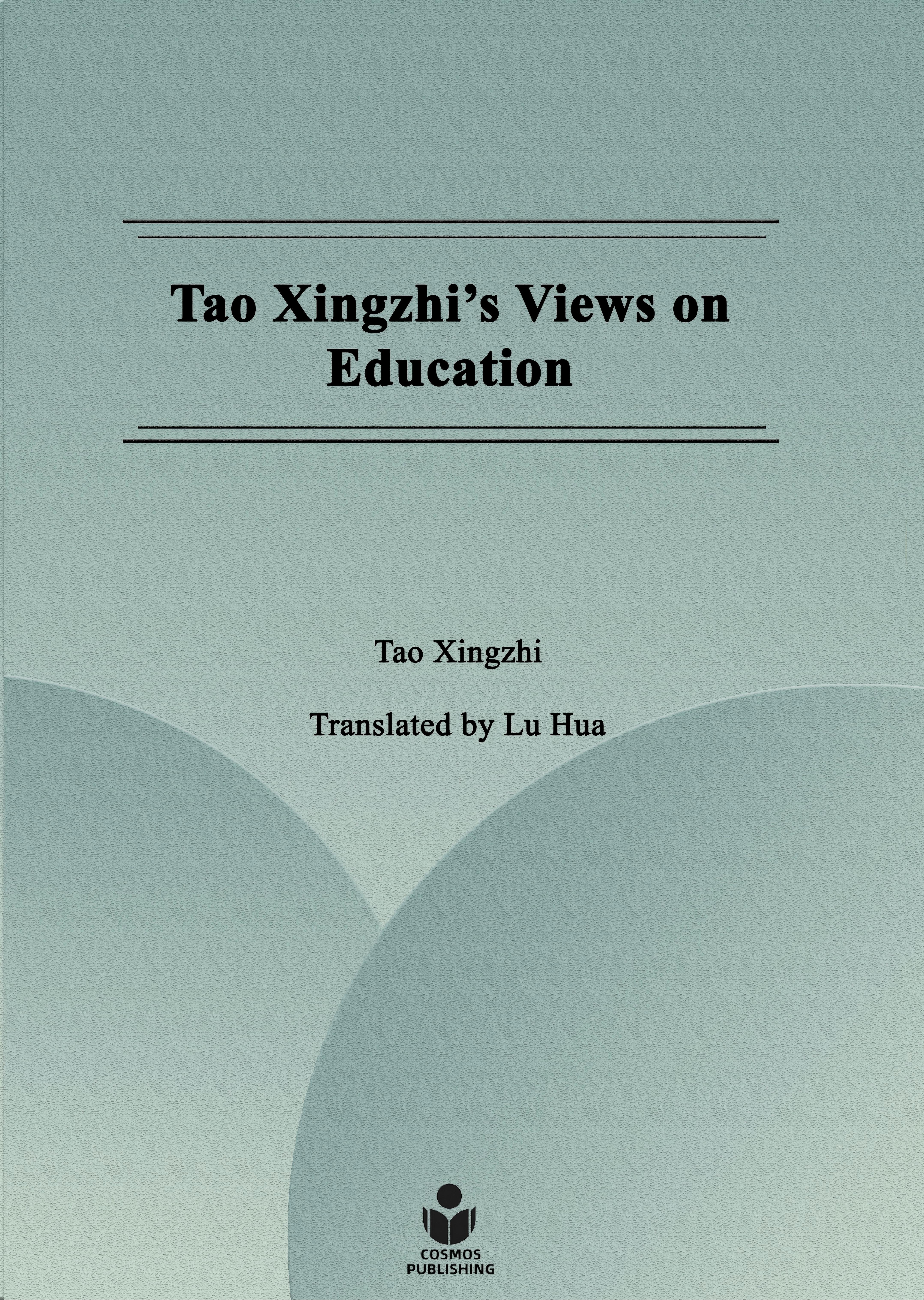
Tao Xingzhi's Views on Education
This book is a comprehensive collection of Tao Xingzhi's reflections, speeches, and essays on the philosophy and practice of education in modern China. Tao Xingzhi (1891–1946) was a pioneering educator and reformer in China. This book presents his lifelong dedication to reshaping education as a…
Book overview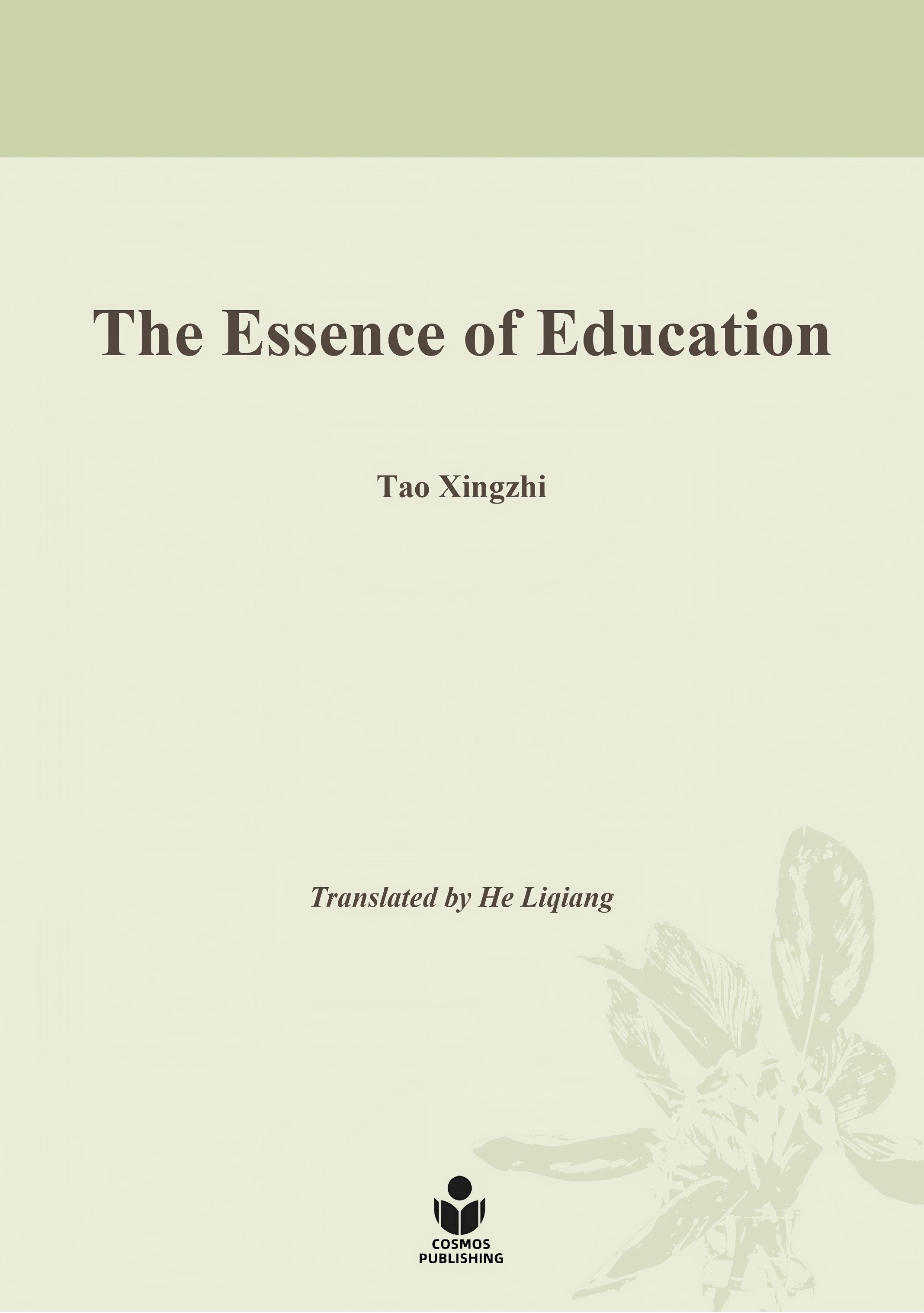
The Essence of Education
This book selects Tao Xingzhi's famous expositions on education, including the ideal of education, the construction of normal education, the reform of rural education, the art-friend system of normal education, life as education, society as school, teaching-learning-doing integration, democratic education, scientific education, creative education, children's…
Book overview